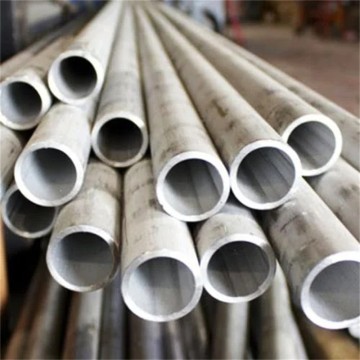
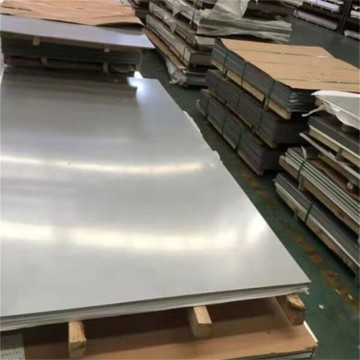
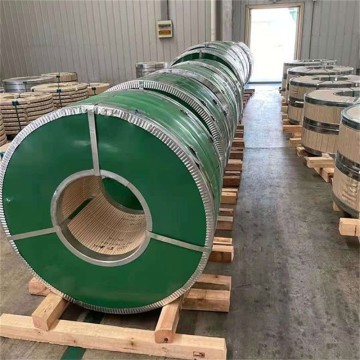
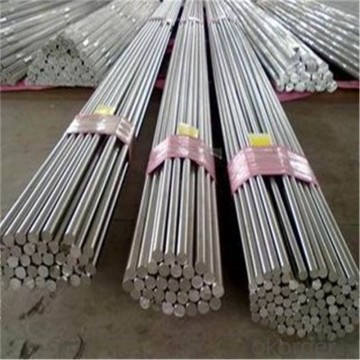
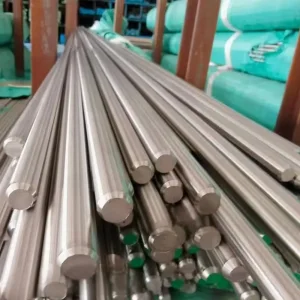
Explore our premium inventory of raw materials, cold-rolled sheets, and reinforced structural bars manufactured strictly under international ISO 9001 and ASTM guidelines.
Unlike Grade 304, Grade 316 contains 2% to 3% Molybdenum (Mo). This structural addition significantly improves pitting and crevice corrosion resistance in high-chloride, acidic, or saline environments. Ideal for heavy-duty marine, wastewater, and chemical reactors.
Modern manufacturing shifts toward 316L (Low Carbon) variants, minimizing chromium carbide precipitation during welding. The global metal sector integrates real-time metallurgical spectroscopy to ensure exact alloy composition, optimizing material longevity in industrial assets.
Global steel demands require resilient shipping channels. Operating out of Wuxi, China, allows us to secure localized raw billets directly from state-owned refineries, reducing pricing volatility and buffer lead times for international engineering consortia.
The industrial dominance of Grade 316 Stainless Steel is rooted in metallurgical design. In harsh environments, standard austenitic alloys like 304 face rapid degradation due to chloride-induced pitting. To resolve this vulnerability, chromium-nickel alloys were augmented with Molybdenum (Mo) to yield 316 and its low-carbon derivative, 316L. This alloy modification enhances chemical stability by forming a highly protective, self-healing passive surface layer. As heavy industry transitions to deeper ocean extraction, more complex petrochemical processing, and stringent medical standards, the demand for precision-finished, thick-gauge 316 sheets has grown exponentially.
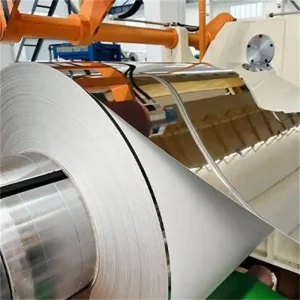
Current industry trends show a clear focus on surface refinement and micro-alloy consistency. Modern chemical installations demand cold-rolled, bright-annealed (BA) 316 sheets that prevent bacterial biofilm adhesion and chemical deposition. Furthermore, structural design engineers now demand high-strength-to-weight structural shapes, steering manufacturing innovations toward cold-rolled precision strips with exceptionally tight dimensional tolerances (+/-0.02mm).
Procuring raw metal on a global scale requires managing fluctuating scrap steel costs, shipping routes, and strict certification audits. Engineering procurement managers must balance purchase prices against life-cycle costs. Grade 316 stainless steel typically requires a higher initial investment compared to 304, but it reduces maintenance costs, minimizes unplanned shutdowns, and increases structural longevity, resulting in a lower total cost of ownership (TCO).
Western markets are increasingly relying on specialized manufacturers who can provide comprehensive MTRs (Material Test Reports) detailing chemical breakdown, heat numbers, tensile strength, yield strength, and elongation metrics. OES Metal addresses this need by providing fully traceable steel batches, ensuring compliance with international benchmarks, and minimizing regulatory risks for complex infrastructure projects.
At OES Metal's 5,000-square-meter manufacturing plant in Wuxi, Jiangsu, we merge physical metal fabrication with digital optimization. By integrating automated leveling lines, high-precision laser-cutting cells, and modern slitting machinery, our production lines operate with high efficiency and minimal waste. Our digital inventory tracking links raw billet arrival with finished production schedules, giving us real-time visibility over manufacturing lead times.
Automated leveling ensures optimal flatness across all sheet dimensions, preventing internal stress buildup that can compromise downstream processing like laser-cutting or roll-forming.
Our on-site quality assurance lab conducts regular PMI (Positive Material Identification) testing, intergranular corrosion testing, and surface roughness checks using calibrated profilometers.
Located in Wuxi, our facility benefits from close proximity to the major shipping ports of Shanghai and Ningbo, enabling rapid maritime export to global industrial centers.
Established in 2014, OES Metal has grown into a leading developer and exporter of high-quality stainless steel plates, coils, tubing, and bars. Operating a modern 5,000-square-meter factory in Wuxi, Jiangsu, and employing over 100 dedicated steel professionals, our facility is equipped to process, cut, package, and ship steel products to meet exact customer specifications.
Over the past decade, OES Metal has successfully exported thousands of tons of high-grade steel to more than 50 countries across North America, South America, the Gulf region, Africa, the CIS, and Southeast Asia. Our strict quality control systems cover every step of production, from raw material procurement to final export packaging, ensuring that your shipments arrive safely and comply with all applicable standards.
Learn More About UsWe supply stainless steel solutions tailored for diverse industrial and structural applications.
Grade 316 Stainless Steel is utilized across demanding sectors where material failure is not an option:
Used in boat fittings, seawater heat exchangers, and coastal structural components. Its molybdenum content helps prevent chloride pitting from constant exposure to salt water.
Widely used in manufacturing storage vessels, piping systems, and reactor tanks that process organic and inorganic acids, reducing the risk of crevice corrosion.
The alloy's smooth, easily cleaned surface profile helps prevent bacterial growth, making it a standard choice for cleanrooms, sterile environments, and medical manufacturing.
Stay updated with the latest technological developments, metallurgical insights, and steel market trends from OES Metal.
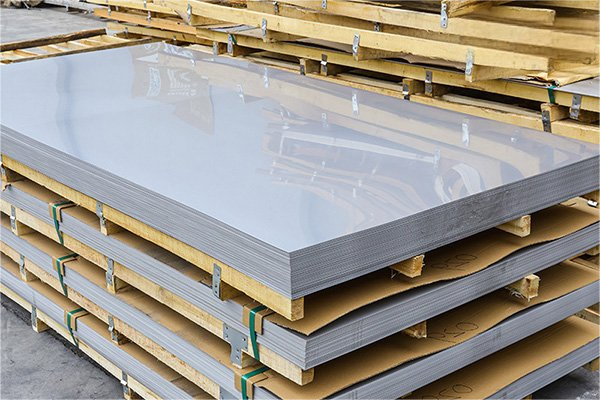
Are you looking for a durable, corrosion-resistant stainless steel sheet that won’t fail in demanding environments?
Read More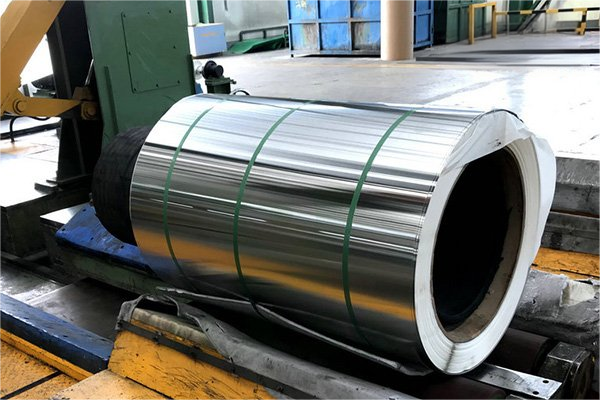
Ever wonder why some stainless steel lasts forever while others rust? The secret often lies in whether it’s 3...
Read More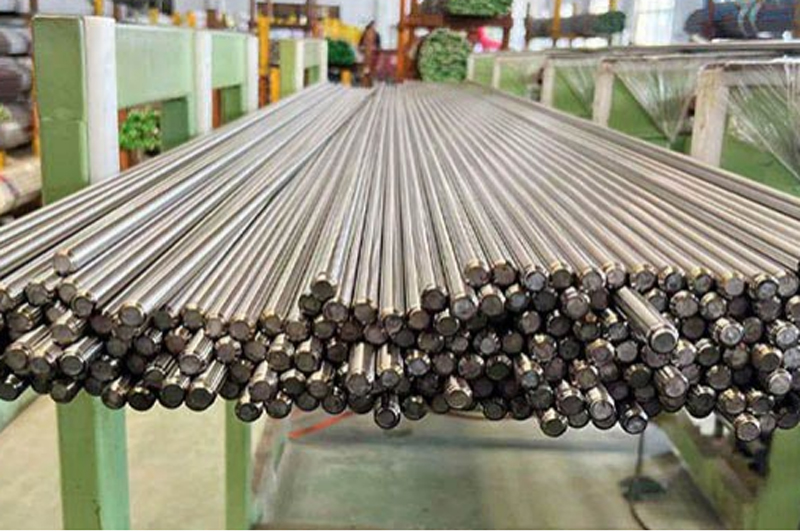
Among various types of stainless steel, 309 stainless steel and 304 stainless steel are two common metallurgical alloys...
Read MoreGet expert answers to common metallurgical and processing questions about 316 stainless steel sheets.
The key difference is carbon content. Grade 316 contains up to 0.08% carbon, while 316L is limited to a maximum of 0.03%. The lower carbon content in 316L reduces chromium carbide precipitation during welding, which helps maintain corrosion resistance in the heat-affected zone (HAZ) without requiring post-weld annealing.
The formula for calculating PREN is PREN = %Cr + 3.3(%Mo + 0.5%W) + 16%N. Because molybdenum is multiplied by 3.3, adding 2% to 3% Mo significantly increases the PREN value compared to Grade 304, resulting in improved resistance to localized pitting in salty or acidic solutions.
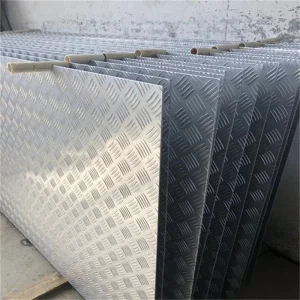
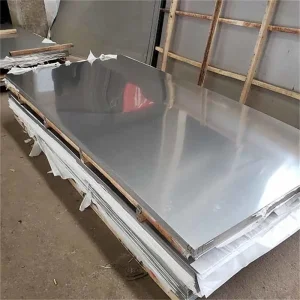
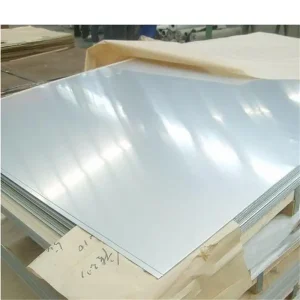
We supply a range of finishes depending on your application, including 2B (cold-rolled, annealed, and skin-passed), No. 4 (brushed/satin), BA (bright annealed, mirror-like), and various pattern designs such as checker plate profiles for high-traction flooring applications.
Our processing lines comply with international standards including ASTM A240, ASME SA240, EN 10088-2, and JIS G4305. We perform tension tests, hardness measurements, bend tests, and PMI verification, and provide Mill Test Certificates (MTC) with every shipment.
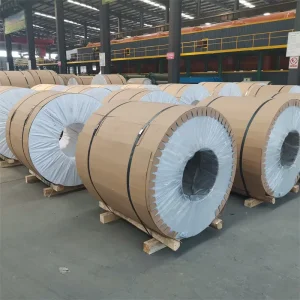
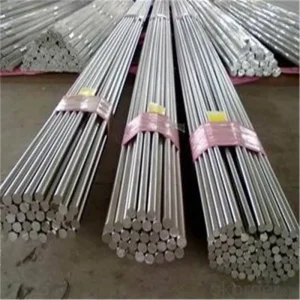
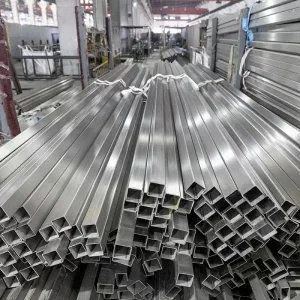
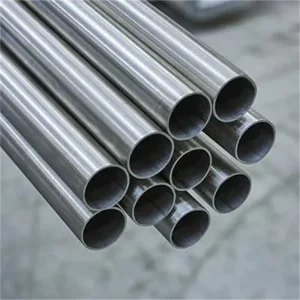
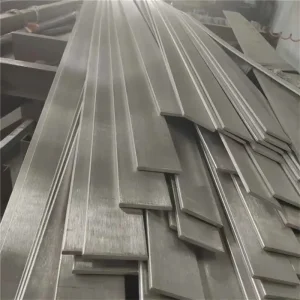
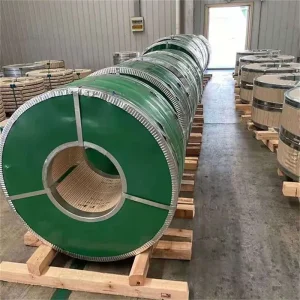
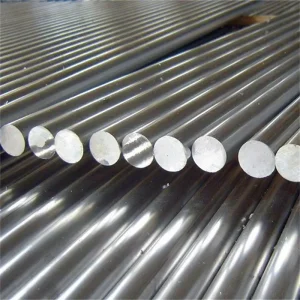
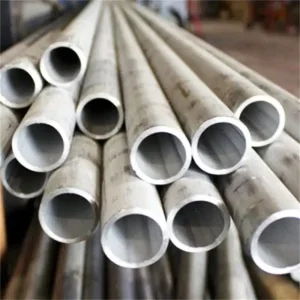
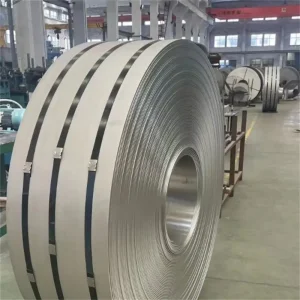
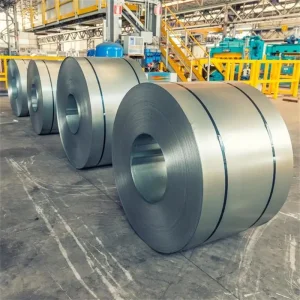
Browse our additional structural bars, welded tubes, and cold-rolled raw coils configured to support heavy engineering, chemical plants, and construction projects globally.
 Oes Steel