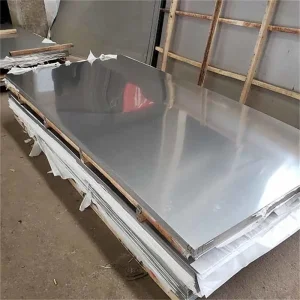
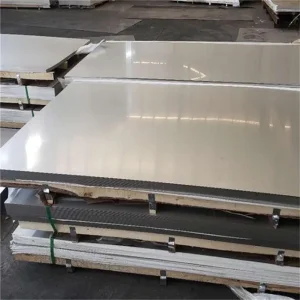
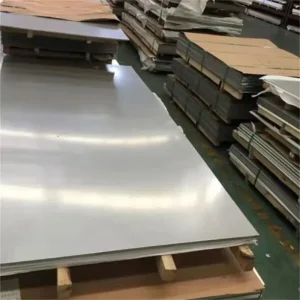
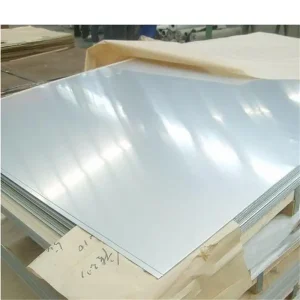
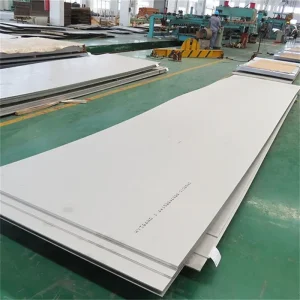
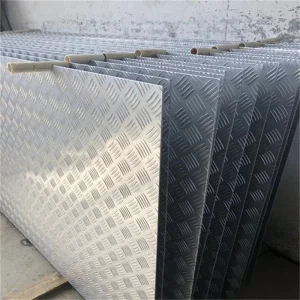
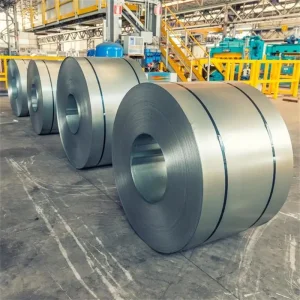
Industrial-Grade Stainless Steel Sheets Engineered for Durability and Corrosion Resistance
As Guinea-Bissau continues to modernize its infrastructure, the demand for high-quality, corrosion-resistant materials has reached an all-time high. Historically dependent on agriculture, particularly cashew nut exports, the nation is now pivoting toward industrial processing and maritime expansion. Stainless steel, specifically Grade 304 and 316L sheets, plays a critical role in this transformation. In coastal regions like Bissau and Cacheu, the saline Atlantic air creates a high-corrosion environment where traditional carbon steel fails within months. OES Metal provides the strategic material backbone to ensure longevity and safety in these challenging climates.
Global Industry Context: The global stainless steel market is undergoing a "Green Transition." Manufacturers are now focusing on recycled scrap usage and lower-carbon production methods. For the Guinea-Bissau market, this means accessing materials that not only meet ASTM A240 standards but also align with international sustainability goals. The volatility of nickel and chromium prices on the LME (London Metal Exchange) directly impacts local project costs, making it vital to partner with a supplier like OES Metal who offers stable logistics and transparent pricing models.
14 Years of Expertise in Specialized Steel Manufacturing
Corrosion-resistant 316L sheets for Bissau port expansions and coastal bridges, resisting salt-water degradation.
Food-grade 304 stainless steel sheets for cashew nut drying, storage, and processing equipment to meet ISO hygiene standards.
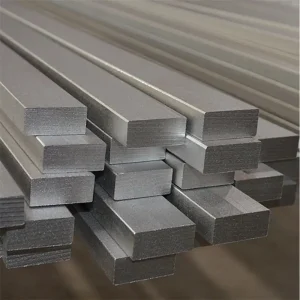
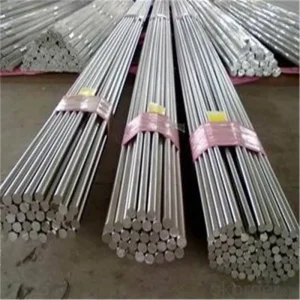
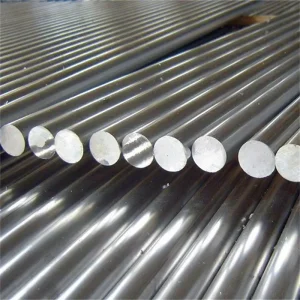
High-strength sheets and bars for Bauxite mining equipment, ensuring mechanical reliability under extreme West African heat.
For most interior applications or inland construction in Guinea-Bissau, Grade 304 is the gold standard. It contains 18% chromium and 8% nickel, providing excellent formability and welding characteristics. However, for projects within 5km of the Atlantic coastline, Grade 316L is mandatory. The addition of Molybdenum (2-3%) in 316L provides "Pitting Resistance," essential for preventing the "tea staining" effect common in coastal architecture.
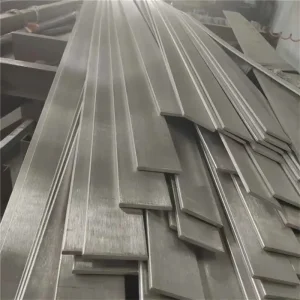
We provide more than just raw material; we provide tailored surfaces. A 2B Finish is standard for industrial use, while a No.4 Brush Finish is preferred for public architecture and commercial kitchens in Bissau's growing hospitality sector. For decorative projects, our Mirror (8K) sheets provide a high-tech aesthetic that lasts for decades without tarnishing.
Ready-to-Ship Inventory for Bulk Orders
Expert insights into Stainless Steel sourcing for Guinea-Bissau
 Oes Steel