What is Welded Stainless Steel Pipe and Its Benefits?

Time:2026-04-03 Author:Oliver
0%

In the world of industrial materials, welded stainless steel pipe stands out for its durability and versatility. According to industry expert Dr. Emily Bennett, "Welded stainless steel pipe offers a unique combination of strength and corrosion resistance." This statement encapsulates why this material is favored across various sectors, from construction to food processing.

Welded stainless steel pipes are created by joining stainless steel sheets. This process ensures a strong, continuous structure that can withstand harsh environments. These pipes are not only resilient but also cost-effective. They require less material than their seamless counterparts, making them a practical choice for many applications.

However, the industry is evolving. With new technologies and materials emerging, welded stainless steel pipes face competition. Keeping up with these changes is vital for manufacturers. They must ensure that their products remain reliable and meet safety standards. Despite these challenges, welded stainless steel pipe continues to be a popular choice due to its proven benefits.
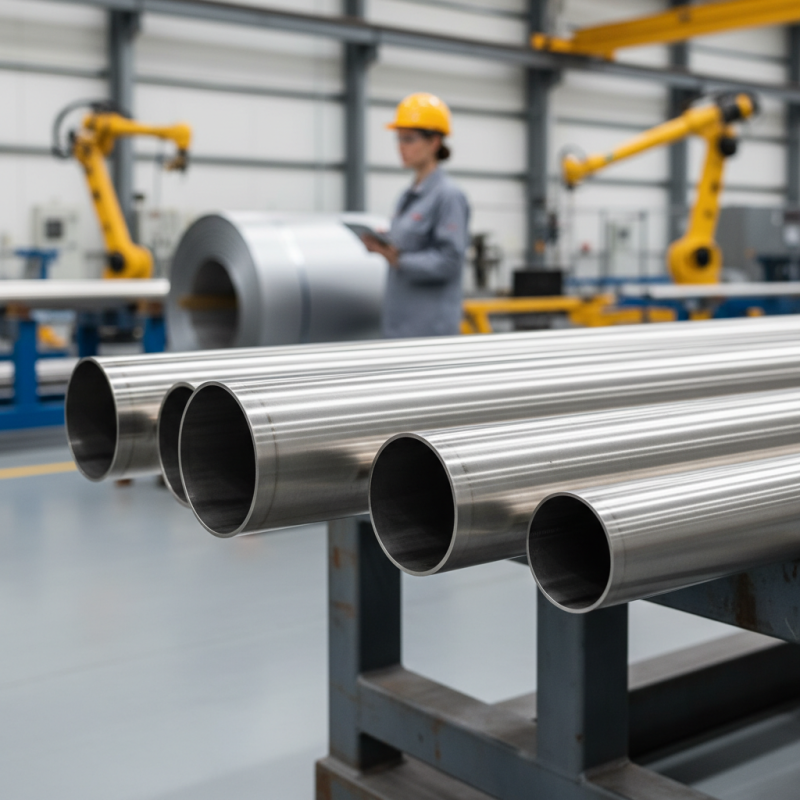
What is Welded Stainless Steel Pipe and Its Benefits?

What is Welded Stainless Steel Pipe?

Welded stainless steel pipe is a critical component in various industries. It is manufactured by welding together pieces of stainless steel, typically in a cylindrical form. This offers both flexibility and strength. The welding process allows for the use of thinner materials. This can significantly reduce weight without compromising durability.

According to a report by the Global Market Insights, the welded stainless steel pipe market was valued at approximately $10 billion in 2021. It is projected to grow at a compound annual growth rate (CAGR) of over 5% through 2028. This growth highlights the growing demand for welded pipes in various applications, including construction, oil and gas, and food processing.

Welded pipes come with various benefits. They are resistant to corrosion, making them suitable for harsh environments. Their versatility allows for customization in terms of size and specifications. However, it is crucial to monitor the quality of the welds. Poor welding techniques can lead to weaknesses in the structure. This necessitates regular inspections and quality assessments. Despite their advantages, the reliance on welding techniques can sometimes introduce risks that must be managed.

The Manufacturing Process of Welded Stainless Steel Pipe

Welded stainless steel pipes are manufactured through a precise process that begins with raw stainless steel sheets. These sheets are cut into strips, which are then formed into cylindrical shapes. The edges of these strips are heated and fused together using welding techniques. Common welding methods include TIG (Tungsten Inert Gas) and MIG (Metal Inert Gas) welding. The heat generated during the process creates a strong bond, ensuring that the pipe can withstand high pressures.

Once welded, the pipes undergo a variety of inspections. These checks often include x-ray and ultrasonic tests to detect any flaws. According to industry reports, up to 25% of fabricated stainless steel pipes can fail quality assurance tests. This highlights the importance of rigorous testing. Following inspections, the pipes are often polished and passivated to enhance corrosion resistance and aesthetic appeal.

The entire process is energy-intensive, which has raised concerns about its environmental impact. Innovative methods and technologies are being explored to reduce energy usage. For instance, some manufacturers have started employing advanced welding techniques that minimize waste. A significant portion of stainless steel is recycled, with estimates suggesting over 80%. This recycling is crucial for sustainability but requires careful quality control to prevent contamination in new pipes.

Welded Stainless Steel Pipe Production and Benefits

Key Advantages of Using Welded Stainless Steel Pipe

Welded stainless steel pipes are becoming a popular choice in various industries. They are produced by welding together stainless steel strips, forming a strong and durable product. This method allows for greater flexibility in dimensions, making it easier to produce customized sizes.

One significant advantage is their resistance to corrosion. Stainless steel itself is known for its ability to withstand harsh environments. This makes welded pipes ideal for both indoor and outdoor applications. In industries like food processing, pharmaceuticals, and oil and gas, this resistance is crucial. Additionally, welded pipes often come with a smooth finish. This characteristic reduces friction and allows for better flow of liquids and gases, enhancing overall efficiency.

Another benefit is cost-effectiveness. Producing welded pipes can be less expensive than fabricating seamless pipes. The process is faster, and it requires less material. However, one must consider the quality of welding. Poor welding may lead to weaknesses that can compromise structural integrity. Routine inspections and quality control are essential in this context. Ultimately, while welded stainless steel pipes offer numerous advantages, careful attention must be paid to manufacturing processes to ensure reliability.

Applications of Welded Stainless Steel Pipe in Various Industries

Welded stainless steel pipes find extensive applications across various industries due to their durability and resistance to corrosion. In the chemical processing sector, for instance, these pipes are crucial for transporting aggressive fluids. A report by the International Stainless Steel Forum notes that over 40% of stainless steel production is used in this field. Their ability to withstand high temperatures and pressures makes them ideal for handling volatile substances.

In the construction industry, welded stainless steel pipes are increasingly preferred for structural support and piping systems. The American Iron and Steel Institute highlights that these pipes offer enhanced strength-to-weight ratios. This translates into lighter structures without compromising integrity. However, while their advantages are clear, issues such as welding quality can sometimes lead to unforeseen weaknesses.

Additionally, in the food and beverage industry, cleanliness is paramount. Welded stainless steel pipes meet stringent hygiene standards and are easy to clean. According to a study by the Food and Agriculture Organization, stainless steel applications have led to a 30% decrease in contamination risks. Nonetheless, the cost of maintenance and potential for localized corrosion cannot be overlooked. Each application or use case can present unique challenges that require careful consideration.

Comparing Welded vs. Seamless Stainless Steel Pipes

When considering welded versus seamless stainless steel pipes, several factors come into play. Welded pipes are formed by joining two edges of stainless steel together. This process allows for versatile lengths and diameters. On the other hand, seamless pipes are manufactured from solid round steel, providing a continuous structure without any joints. This can lead to higher strength and uniformity.

Welded pipes typically offer cost advantages and quicker production times. They are ideal for applications where flexibility in design is needed. However, the weld line can be a weak point under extreme pressure or temperature. Seamless pipes often outperform in high-stress scenarios, maintaining integrity better over time. Yet, their manufacturing process can be more expensive and slower.

Tips: When choosing between the two, consider your specific application. Assess the pressure and temperature requirements. Don't overlook the importance of the environment in which the pipes will be used. If finances are tight, welded pipes may be the answer. For projects demanding utmost durability, seamless options might be worth the investment. Always consult with experts to make informed decisions.

FAQS

: What is welded stainless steel pipe?

: Welded stainless steel pipe is made by welding stainless steel pieces together into cylindrical forms.

What are the main benefits of welded stainless steel pipes?

They are corrosion-resistant and customizable. Their strength is significant, yet they can be made from thinner materials.

Why is quality monitoring essential in manufacturing?

Poor weld quality can lead to structural weaknesses. Regular inspections help ensure safety and durability.

What is the manufacturing process for welded stainless steel pipes?

Raw stainless steel sheets are cut, formed, and welded into pipes. Various welding techniques are employed for strong bonds.

How are the pipes tested for quality assurance?

Pipes undergo x-ray and ultrasonic tests to identify any defects. Up to 25% may fail these checks, highlighting testing importance.

What environmental concerns are associated with production?

The process is energy-intensive. Manufacturers are exploring ways to reduce energy use and waste, which is necessary for sustainability.

Is recycled material used in the production process?

Yes, over 80% of stainless steel can be recycled. However, quality control is crucial to avoid contamination in new products.

What welding methods are commonly used?

Common methods include TIG and MIG welding. These techniques create strong bonds necessary for high-pressure applications.

What happens after the welding process is complete?

The pipes are inspected, polished, and passivated. This enhances both corrosion resistance and the overall appearance.

Are there any drawbacks to welded stainless steel pipes?

Yes, they rely on welding techniques that can introduce risks. Regular checks and quality control are essential to mitigate these issues.

Conclusion

Welded Stainless Steel Pipe is a type of pipe manufactured by welding together stainless steel plates or sheets, providing a strong and durable product. The manufacturing process involves precision techniques that ensure the welded seams have high integrity, allowing these pipes to withstand various pressures and corrosive environments. Key advantages of Welded Stainless Steel Pipe include cost-effectiveness, flexibility in sizing and shapes, and superior resistance to corrosion, making them highly desirable in various applications.

These pipes are widely used across multiple industries, including construction, oil and gas, and food processing, due to their reliability and strength. When comparing Welded Stainless Steel Pipes to seamless options, it is evident that while both have their benefits, welded pipes tend to offer advantages in terms of production efficiency and varied applications. Overall, Welded Stainless Steel Pipe plays a crucial role in modern infrastructure and industry.


Oliver

Oliver

Oliver is a seasoned marketing professional with a wealth of expertise in driving brand awareness and engagement. With a deep understanding of our company's product offerings, he consistently delivers high-quality content that enriches our professional blog. His insights not only shed light on......