Stainless Ss304 is a versatile material widely used in various global industries. Its unique properties make it ideal for demanding environments. The alloy's resistance to corrosion, high temperatures, and oxidation adds to its appeal. Many industries rely on Stainless Ss304 for both structural and aesthetic applications.
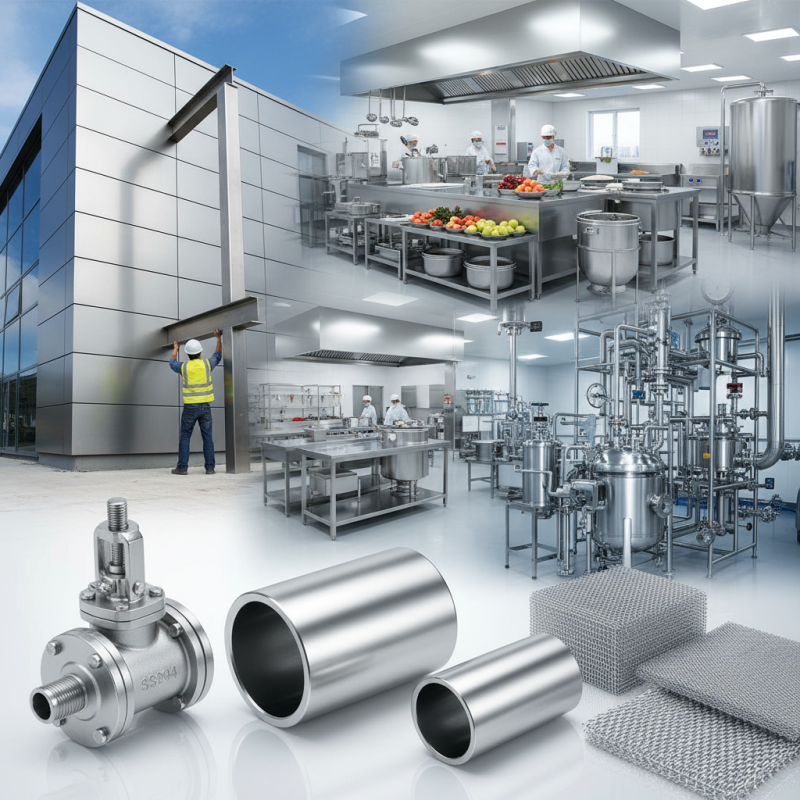
In construction, Stainless Ss304 provides durability and strength. It is commonly used in architectural components, ensuring longevity. The food processing sector benefits from its hygienic qualities. This alloy prevents contamination, making it essential in kitchen equipment and storage solutions. Notably, its non-reactive nature preserves food integrity.
However, there are challenges. While Stainless Ss304 is highly regarded, it may not be the most cost-effective option for all applications. Some industries may overlook alternatives. This raises questions about material selection in design and manufacturing. Evaluating these factors is crucial for optimal performance and sustainability.
Significance of Stainless Steel SS304 in Modern Industry
Stainless steel SS304 plays a vital role in modern industries. Its versatility makes it a popular choice across various sectors. The alloy's composition of 18% chromium and 8% nickel gives it excellent corrosion resistance. This property is crucial in environments like kitchens and hospitals. In these settings, hygiene and sanitation are key.
In aerospace and automotive industries, SS304 is often used for fuel tanks and exhaust systems. Its strength-to-weight ratio is beneficial for enhancing performance. Despite its many advantages, SS304 is not entirely impervious to chloride-induced corrosion. This vulnerability must be acknowledged, especially in coastal areas. Manufacturers should consider alternative stainless steels when necessary.
Moreover, the recyclable nature of SS304 contributes to sustainability efforts. Industries are increasingly prioritizing eco-friendly materials. However, the recycling process can be energy-intensive. Companies must balance sustainability with the environmental impact of production. Employing SS304 remains a complex but essential choice in the pursuit of modern industrial efficiency.
Top 10 Uses for Stainless Steel SS304 in Global Industries
Key Properties of SS304 that Enhance Its Use in Various Sectors
Stainless steel SS304 is widely recognized for its versatile properties. It boasts high corrosion resistance, making it ideal for environments prone to moisture. Its ability to withstand oxidation enhances its usability across industries like food processing and construction. SS304 can handle extreme temperatures without losing its structural integrity. This characteristic is critical in industries that require materials to perform under pressure.
The alloy's excellent tensile strength ensures durability. Products made from SS304 can endure heavy use without deterioration. This is vital for industries such as aerospace and automotive, where safety and reliability are paramount. Furthermore, SS304 is easy to clean and maintain. This property is particularly essential in the medical and pharmaceutical sectors, where hygiene is non-negotiable.
Despite its many advantages, SS304 is not perfect. It can be vulnerable to pitting corrosion under specific conditions. Industries must consider this when using SS304 in saline environments. Regular assessments are needed to ensure it meets safety standards. Such reflections can enhance material selection processes. Balancing cost, performance, and longevity continues to be a complex decision in various sectors.
Top Industries Utilizing SS304 for Manufacturing and Construction
Stainless steel type SS304 is widely used across various global industries. Its excellent corrosion resistance and strength make it a popular choice for manufacturing and construction. In the food processing sector, SS304 is chosen for its hygienic properties. It is easy to clean and does not impart flavors to food products. This is crucial for maintaining quality and safety in food handling.
The chemical industry also heavily relies on SS304. It provides durability against harsh environments. Pipelines and storage tanks made from this material ensure operational efficiency. However, some applications might experience corrosion over time, which requires regular maintenance and inspection. The construction industry utilizes SS304 for structural components. Its aesthetic appeal and resilience make it ideal for modern architectural designs. Building facades frequently leverage its reflective quality, appealing to both designers and clients.
SS304’s versatility extends to the automotive industry. It is used in exhaust systems and other components. This choice proves beneficial for reducing weight while ensuring longevity. Yet, manufacturers must consider the cost implications when opting for stainless steel over other materials. Each industry adopting SS304 showcases both its strengths and challenges. Understanding these nuances is essential for maximizing its benefits.
Top 10 Uses for Stainless SS304 in Global Industries
| Use Case |
Industry |
Key Properties |
Percentage of SS304 Used |
| Food Processing Equipment |
Food & Beverage |
Corrosion Resistance, Easy to Clean |
30% |
| Chemical Storage Tanks |
Chemical |
Durability, Corrosion Resistance |
25% |
| Building Infrastructure |
Construction |
High Strength, Aesthetic Appeal |
15% |
| Marine Applications |
Marine |
Saltwater Resistance, Durability |
10% |
| Medical Instruments |
Healthcare |
Biocompatibility, Sterilization Capability |
8% |
| Automotive Parts |
Automotive |
Heat Resistance, Strength |
5% |
| Kitchen Utensils |
Household |
Corrosion Resistance, Aesthetics |
4% |
| Pipes and Fittings |
Oil & Gas |
Pressure Resistance, Corrosion Resistant |
3% |
| Heat Exchangers |
Energy |
Thermal Conductivity, Corrosion Resistance |
3% |
| Architectural Structures |
Architecture |
Longevity, Aesthetic Value |
2% |
Innovative Applications of SS304 in Everyday Products and Technology
Stainless steel SS304 is a versatile material that finds application across various global industries. Its unique properties, such as corrosion resistance and strength, make it ideal for diverse products. In the food processing sector, SS304 is commonly used for equipment like mixers, storage tanks, and piping systems. The International Stainless Steel Forum reports that approximately 25% of the stainless steel produced is used in food-related applications.
In the realm of construction, SS304's durability ensures a longer lifespan for structures. It is often seen in architectural facades, railings, and elevator doors. According to a report from Smithers Pira, the demand for stainless steel in construction is projected to grow at a rate of 4.9% annually through 2026.
Moreover, SS304's presence in consumer electronics and automotive components underscores its significance. It is used in phone cases and exhaust systems. These applications highlight the material's adaptability. Despite its advantages, the production of SS304 has environmental implications, especially regarding energy consumption. Continuous improvement is essential to address these challenges. Balancing sustainability with innovation remains a priority in maximizing SS304's potential in everyday products.
Environmental Impact and Sustainability of Using SS304 in Production
Stainless steel SS304 is widely used in various global industries. While its versatility is unquestionable, the environmental impact warrants careful consideration. SS304 is primarily composed of iron, chromium, and nickel. The extraction and processing of these materials can have significant ecological repercussions. Mining can lead to habitat destruction, water pollution, and resource depletion.
Tips: Always support sustainable sourcing practices. Look for suppliers who prioritize environmental responsibility.
In production, the recycling aspect of SS304 is a silver lining. This alloy can be recycled indefinitely, reducing waste. However, the recycling process itself consumes energy and resources. While it lowers the demand for new material, it is not without drawbacks. Industries must be mindful of the carbon footprint associated with manufacturing and recycling processes.
Tips: Opt for products with high recycled content. This reduces the energy needed for new production.
Emphasizing the sustainability of SS304 requires addressing its entire lifecycle. A careful evaluation of each step—from extraction to recycling—is essential. As industries shift towards greener alternatives, understanding these impacts helps promote a more responsible use of materials. Continuous improvement and innovation in production practices are vital for achieving sustainable outcomes.
FAQS
: SS304 is widely used in food processing, construction, and automotive industries.
Corrosion resistance ensures hygiene and durability, particularly in kitchens and hospitals.
Yes, but it's important to monitor for potential corrosion over time in certain applications.
SS304 is recyclable, but the recycling process can be energy-intensive.
Manufacturers must weigh performance benefits against potential cost and environmental impacts.
No, it can be vulnerable to chloride-induced corrosion in coastal areas.
SS304 is used in building facades for its reflective quality and modern appeal.
Its hygienic properties prevent flavor transfer and facilitate easy cleaning.
Regular maintenance and inspections are required, especially in corrosive environments.
Companies must seek improvements to minimize energy consumption in production processes.
Conclusion
Stainless Ss304 plays a crucial role in modern industry due to its unique properties, such as excellent corrosion resistance, durability, and hygienic characteristics. These traits make it highly desirable across various sectors, including construction, manufacturing, and technology. By enhancing the lifespan and performance of products, Stainless Ss304 contributes significantly to efficiency and safety in industrial applications.
The versatility of Stainless Ss304 has led to its innovative use in everyday products, ranging from kitchen appliances to medical instruments. Additionally, its environmental impact is favorable, as it is fully recyclable and promotes sustainability in production processes. As industries continue to evolve, the significance of Stainless Ss304 remains paramount, shaping the future of manufacturing and construction in a sustainable manner.

 Oes Steel