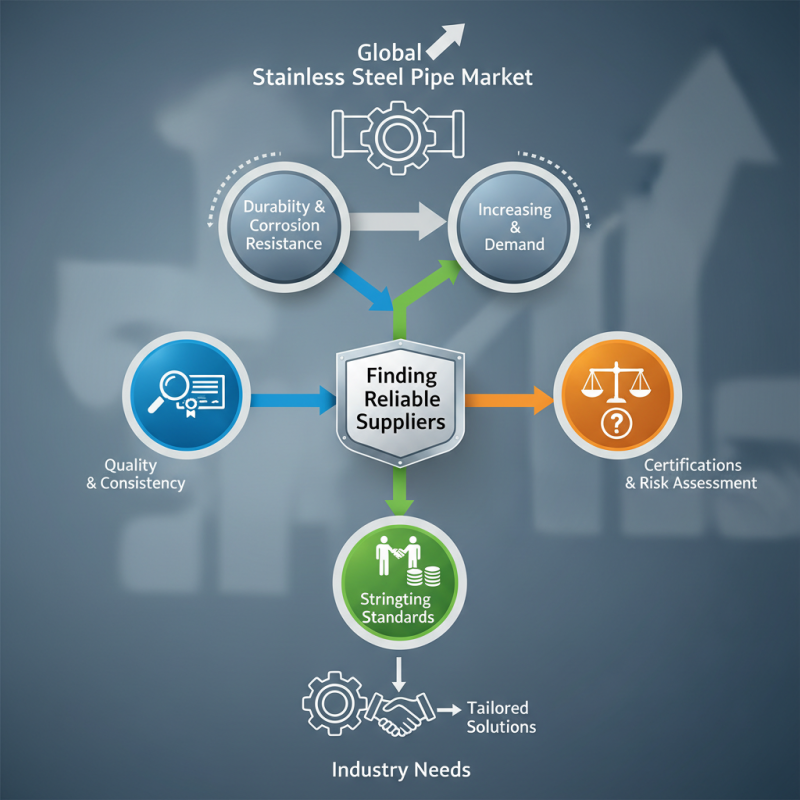
In the dynamic world of construction and manufacturing, stainless steel pipes play a crucial role. As global industries depend on these pipes for their durability and resistance to corrosion, the demand is ever-increasing. According to a recent report by the Global Stainless Steel Pipe Market Analysis, the market is projected to reach $X billion by 2030, showcasing an annual growth rate of Y%. This underscores the importance of finding reliable suppliers.
Industry expert Dr. Jane Smith, a prominent figure in materials science, stated, "Quality and consistency in stainless steel pipes are paramount to any successful project." Her insights resonate deeply as buyers seek trusted suppliers who adhere to stringent standards. However, with many options available, navigating the market can be challenging. Not every supplier meets the required certifications, leading to potential risks in sourcing.
The competition among suppliers is fierce. While some offer low prices, others emphasize quality and support. Buyers must carefully evaluate their options. Not all suppliers provide the same level of service or reliability. It's essential to identify those who not only supply but also understand the unique needs of different industries.
Overview of the Stainless Steel Pipe Industry and Its Importance
The stainless steel pipe industry plays a crucial role in various sectors, including construction, automotive, and aerospace. According to a recent market analysis, the global stainless steel pipe market is projected to reach $15 billion by 2027, growing at a CAGR of 4.6%. This growth highlights the increasing demand for durable, corrosion-resistant materials.
Stainless steel pipes are essential due to their strength and longevity. They resist rust and degradation, making them perfect for high-pressure applications. Industries rely on these pipes for safety and efficiency. The manufacturing process involves high-quality raw materials, ensuring that the final product meets strict industry standards.
Tips: When selecting stainless steel pipes, consider the application and required specifications. Assess thickness and size for optimal performance. It's important to review supplier credentials. Look for those who adhere to international standards.
Notably, the supply chain can be complex. Fluctuations in raw material prices impact the market. Suppliers must be adaptable to maintain competitiveness. Observing industry trends can help buyers make informed decisions. Remember, quality should never be compromised for cost.
Global Stainless Steel Pipe Production by Region (2023)
The chart above depicts the estimated production volume of stainless steel pipes across various regions in 2023. Asia dominates the market significantly, highlighting its importance in the global supply chain for stainless steel products.
Key Factors to Consider When Choosing Stainless Steel Pipe Suppliers
Choosing the right stainless steel pipe supplier is crucial for achieving quality and reliability in your projects. Evaluate suppliers based on their industry experience. A supplier with a long history often indicates reliability and specialized knowledge. Look for those who can provide references and technical support. This expertise can save you time and trouble later.
Quality control measures are another key factor. Inspect the supplier's manufacturing processes. Advanced quality assurance protocols ensure that the pipes meet necessary standards. Remember, subpar products can lead to project delays and additional costs.
Tips: Ask suppliers about their certifications. This can indicate whether they adhere to international standards. Don’t hesitate to ask for samples before making a large order. Testing samples can help confirm the material's integrity.
Additionally, consider pricing and delivery times carefully. Don’t choose solely based on the lowest price. Balance cost with service quality and dependability. Assessing these factors can provide long-term benefits to your projects. Strong communication with suppliers is essential. It fosters a better working relationship, allowing for smoother transactions and quicker resolutions to potential issues.
Top Stainless Steel Pipe Suppliers for Global Buyers
| Supplier Location |
Product Range |
Certifications |
Lead Time (Days) |
Minimum Order Quantity |
| North America |
Seamless, Welded, Fittings |
ISO 9001, ASTM |
30 |
100 kg |
| Europe |
Round, Square, Rectangular Pipes |
EN 10204, CE Mark |
40 |
50 kg |
| Asia |
304, 316, Duplex Stainless Steel |
JIS, ASTM |
20 |
200 kg |
| South America |
Industrial, Oil & Gas, Sanitary |
API, ASME |
50 |
150 kg |
Top Global Suppliers of Stainless Steel Pipes and Their Specialties
When selecting stainless steel pipe suppliers globally, various qualities matter. There are suppliers known for their specialization in different areas. Some excel in large-scale production for industries like construction and oil and gas. Others focus on niche markets, providing unique grades or customized solutions.
Many global suppliers have diversified their offerings. For instance, some provide a range of pipe sizes and thicknesses, catering to demanding specifications. Others prioritize quality control, ensuring their products meet the highest industry standards. This focus on quality is crucial for long-term partnerships with buyers. However, not every supplier has the same commitment to consistency.
Selecting the right supplier often involves balancing quality, cost, and delivery times. Discrepancies in performance can occur, leading to potential project delays. Buyers must consider the entire supply chain. Building strong relationships with reliable suppliers can mitigate risks and improve outcomes. However, it remains essential to conduct thorough research and assessments before making final decisions.
Comparative Analysis of Pricing and Quality Among Suppliers
When evaluating suppliers of stainless steel pipes, two key factors stand out: pricing and quality. Industry reports indicate that price variances can reach up to 30% across different suppliers. Understanding the intricacies of these differences is crucial. Some suppliers may offer lower prices by cutting corners on quality, which can lead to unseen costs down the line.
The quality of stainless steel pipes is often determined by their grade and composition. For instance, pipes made from 304 or 316 stainless steel are preferred in many industries. They provide better corrosion resistance and durability, making them more cost-effective over time. However, a significant number of suppliers compromise on these grades to reduce costs.
Tip: Always request material certifications when sourcing pipes. This step ensures the material meets required standards.
Additionally, while pricing is essential, it should not be the only consideration. Some suppliers may offer competitive pricing but lack reliable after-sales support or timely delivery. Such issues could result in project delays and unexpected expenses.
Tip: Establish a clear communication line with potential suppliers. This transparency fosters trust and helps address any concerns upfront.
Future Trends in the Stainless Steel Pipe Market and Supply Chain
The stainless steel pipe market is evolving rapidly. Anticipated trends point toward a growing demand for innovative designs and high-grade materials. Sustainability is a key focus. Buyers increasingly seek eco-friendly options that reduce environmental impact. Manufacturers must adapt and provide solutions that meet this demand.
Supply chains are also becoming more complex. Global disruptions have highlighted vulnerabilities over the past years. Buyers may encounter delays and fluctuating prices. Companies will need to refine their logistics and procurement strategies. Digitalization in the supply chain can enhance transparency and efficiency. Adopting advanced technologies is essential for future competitiveness.
Challenges remain in ensuring quality while scaling production. Striking a balance between cost and excellence is crucial. Firms must identify risk factors in sourcing raw materials. Collaboration with experienced suppliers can mitigate some of these risks. Looking ahead, the successful players in this market will be those who can predict and adapt to these changes.
Conclusion
The stainless steel pipe industry plays a crucial role in various sectors such as construction, transportation, and manufacturing due to its durability and resistance to corrosion. When selecting suppliers for stainless steel pipes, key factors include the quality of materials, production capabilities, and supply chain efficiency.
In the global market, several suppliers excel in specific areas, providing buyers with a range of options based on competitive pricing and quality assessments. As the industry evolves, trends indicate a growing focus on sustainability and innovations in production methods. Understanding these elements is vital for making informed purchasing decisions in the stainless steel pipe market, ensuring optimal choices for industrial applications.

 Oes Steel