When embarking on a construction project, selecting the appropriate materials is crucial. Among various options, the 304 Seamless Pipe stands out for its versatility and strength. This stainless steel pipe is renowned for its corrosion resistance and durability. Many industries utilize it, from construction to automotive.
Understanding specifications is essential when choosing a 304 Seamless Pipe. Not all pipes are created equal. Different manufacturers may offer varying qualities and finishes. Evaluating these differences can be overwhelming. Yet, the right pipe can enhance project longevity. Choosing the wrong pipe might lead to unexpected issues later.
Practical applications of the 304 Seamless Pipe are broad. It suits high-pressure environments and comes in various sizes. Consideration of factors like cost and availability is key. Trustworthy suppliers can offer insights based on experience. Relying on their expertise can aid in making informed decisions.
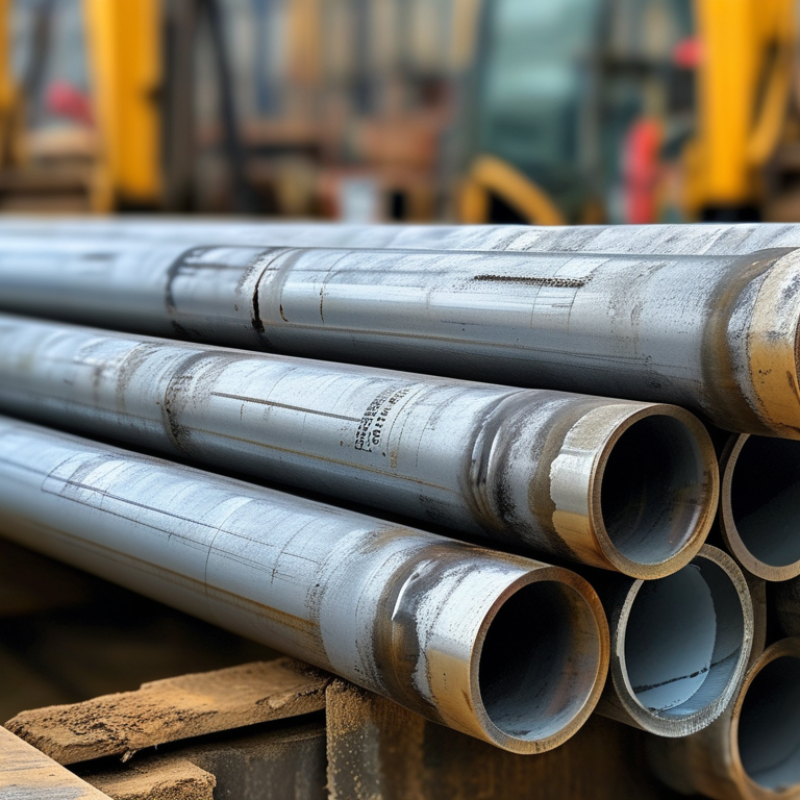
304 seamless pipes are widely used in various industries due to their excellent corrosion resistance and strength. This type of stainless steel is composed of 18% chromium and 8% nickel, making it suitable for many environments. Its ability to withstand temperatures of up to 870°C allows for diverse applications. According to industry reports, the global stainless steel pipe market is expected to grow significantly, driven by increasing demand from sectors like construction and manufacturing.
When selecting a 304 seamless pipe, consider the specifications carefully. Factors like wall thickness, diameter, and length impact the pipe's performance. Many engineers recommend adhering to standards set by organizations such as the American Society for Testing and Materials (ASTM). Reports indicate that improper sizing or material choice can lead to failures, which emphasize the importance of precision in selection.
It's critical to acknowledge that while 304 seamless pipes offer numerous advantages, they may not be suitable for all projects. For instance, in highly acidic environments, they might experience pitting. Understanding these limitations enables better decision-making. Ensuring that the chosen pipe can withstand specific environmental conditions is essential for project success. Emphasizing these details helps ensure reliability in the long run.
When selecting the right 304 seamless pipe for your project, several key factors come into play. The corrosion resistance of 304 stainless steel is one of its hallmarks, making it suitable for various environments. According to industry data, 304 pipes boast excellent resistance to oxidizing acids. This quality plays a crucial role in applications such as piping for food processing and chemical transportation.
Another critical factor is the pipe's mechanical properties. 304 seamless pipes offer good tensile strength and ductility. Reports indicate that the tensile strength of 304 stainless steel can reach up to 90,000 psi. This robust strength allows these pipes to withstand high pressure and temperature variations. However, it's essential to note that improper handling can lead to structural weakness. Users should be cautious of welding and installation methods.
Additionally, the cost-effectiveness of 304 seamless pipes should be considered. While they may be more expensive than some alternatives, their longevity often justifies the investment. Industry studies show that choosing 304 pipe can reduce maintenance costs over time. However, evaluating the project's specific needs is vital before making a decision. Balancing initial cost with long-term performance is not always clear-cut.
This bar chart illustrates the common applications of various diameters of 304 seamless pipes, indicating the frequency of their usage in different projects.
When selecting a 304 seamless pipe, size and dimensions are crucial. These pipes are commonly used in various applications due to their corrosion resistance and high strength. According to the American Society for Testing and Materials (ASTM), the nominal bore size significantly impacts flow rates and pressure capacity. It's essential to evaluate the specific requirements for your project to ensure optimal performance.
For most industrial applications, standard sizes range from 1/8 inch to 48 inches in diameter. A report by the World Pipe and Tubing Industry highlights that proper sizing can enhance efficiency by up to 15%. These dimensions also influence fabrication costs and installation ease. When considering wall thickness, a thicker pipe can handle higher pressures, which is vital for safety and durability. Understanding the thickness-to-diameter ratio is key, especially in extreme environments.
It's important to recognize that not every size will suit every project. The wrong dimensions can lead to inadequate performance or safety hazards. Conducting a thorough analysis of the project needs is necessary. Engaging with knowledgeable professionals can provide insights into optimal sizing. However, this can also bring complexities requiring careful deliberation. Investing time in this phase often pays off, as improperly sized pipes may lead to costly repairs or replacements down the line.
| Pipe Diameter (inches) | Wall Thickness (inches) | Length (feet) | Weight (lbs/ft) | Application |
|---|---|---|---|---|
| 1 | 0.065 | 20 | 1.38 | Plumbing |
| 2 | 0.083 | 30 | 2.07 | Industrial |
| 3 | 0.120 | 40 | 3.65 | Oil and Gas |
| 4 | 0.145 | 50 | 4.81 | Construction |
| 5 | 0.200 | 60 | 6.24 | Chemical Processing |
When choosing 304 seamless pipes, understanding the material properties is crucial. 304 stainless steel offers excellent corrosion resistance and is versatile. It contains chromium and nickel, providing durability and strength. This type of steel performs well in varying temperatures, making it suitable for diverse environments.
**Tips:** Always check for certifications on the pipe. This ensures quality and reliability. Additionally, consider the specific environment where the pipe will be used. Different conditions may require different grades, even within stainless steel.
Another important factor is to evaluate the pipe's mechanical properties. 304 stainless steel has good tensile strength and toughness. However, it may not be ideal in highly acidic environments. This limitation highlights the need for thorough analysis before selecting a pipe for critical applications. Make sure to weigh the pros and cons based on your project's specific needs.
**Tips:** Consult with industry experts if in doubt. Their experience can guide you through complex material choices. Sometimes, a more specialized alloy could serve better than the standard 304. Always keep an open mind about alternatives, even if they seem unconventional.
304 seamless pipes are widely used across various industries due to their excellent corrosion resistance and durability. They are particularly popular in the food processing sector. Here, these pipes ensure sanitary conditions, preventing contamination of products. Applications in dairy processing and pharmaceutical manufacturing rely on these pipes for safety.
Oil and gas is another significant industry that uses 304 seamless pipes. They are employed in transporting crude oil and natural gas. The strength and reliability of these pipes help withstand high pressures. However, while they are robust, improper handling can lead to cracks or flaws. Regular inspection during installation is crucial.
Water treatment plants also utilize 304 seamless pipes. They handle water flow effectively and resist rust. Maintenance practices must be in place to ensure longevity. Users often overlook the importance of proper sealing, which can lead to leaks. Awareness of these details is vital for successful applications.
: 304 seamless pipes are made of 18% chromium and 8% nickel. This composition provides strength and corrosion resistance.
These pipes can handle temperatures up to 870°C. This tolerance allows for diverse applications across industries.
Improper sizing or material choice can lead to failures. Precision is crucial for optimal performance in projects.
They are popular in food processing, oil and gas, and water treatment. Each industry demands specific characteristics for safety.
They may experience pitting in highly acidic settings. Understanding this limitation is key for suitable applications.
Regular inspections help identify cracks or flaws. This practice ensures reliability in high-pressure situations like oil and gas transport.
Improper sealing can lead to leaks. Users often overlook this detail, which is vital for successful installations.
Wall thickness impacts the pipe's strength and performance. Engineers must consider this detail when selecting pipes.
These pipes prevent contamination in food production. They ensure sanitary conditions in critical applications like dairy processing.
Users must implement maintenance practices to enhance longevity. Awareness of sealing and inspections is crucial.
When selecting the right 304 Seamless Pipe for your project, it's essential to understand its fundamental characteristics and applications. 304 seamless pipes are renowned for their excellent corrosion resistance and high-temperature strength, making them suitable for various industrial purposes. Key factors to consider when choosing these pipes include their size, dimensions, and specific material properties, which can significantly impact the performance of your project.
Evaluating the required dimensions is crucial to ensure optimal compatibility with your existing systems. Additionally, it's important to assess the material properties of 304 stainless steel, as this will define its durability and longevity in diverse applications. Commonly used in industries such as construction, chemical processing, and food production, 304 Seamless Pipes are versatile components that can meet various engineering demands effectively.

Oes Steel