How to Choose the Right 8mm Id Stainless Steel Tube?

Time:2026-06-01 Author:Isabella
0%

Selecting the right 8mm ID stainless steel tube is crucial for many industrial applications. According to John Smith, a renowned expert in metallurgical engineering, “The quality of the tube affects overall project performance.” His insight highlights the importance of choosing the proper specifications.

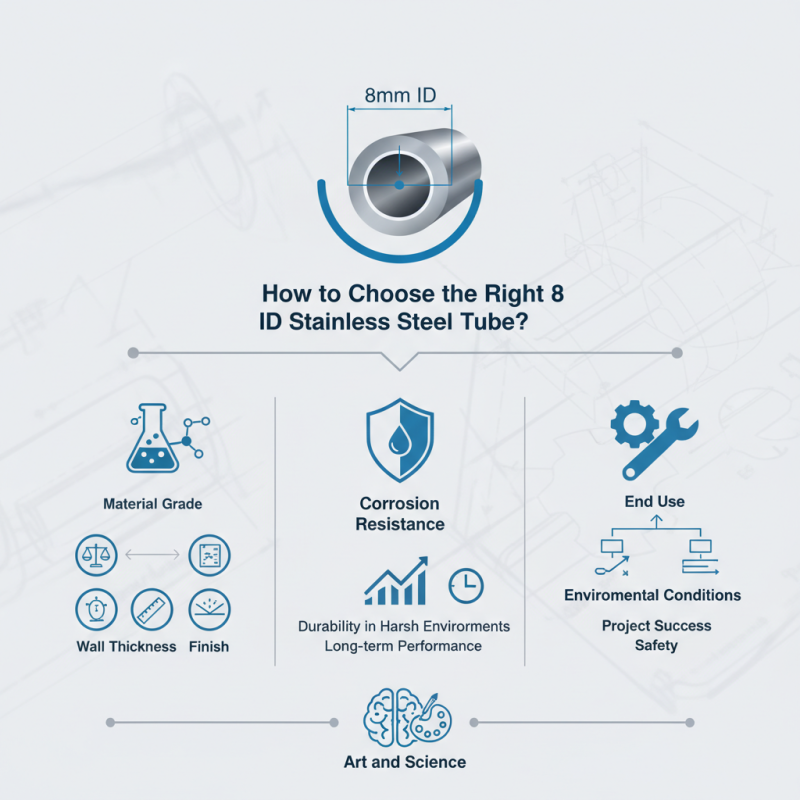
When considering the 8mm ID stainless steel tube, several factors come into play. Material grade, wall thickness, and finish all matter. A higher grade offers better corrosion resistance, ensuring durability in harsh environments. However, not all projects require premium materials.

It can be tempting to opt for cheaper options. These may save money upfront but lead to larger failures later. Evaluating long-term performance helps uncover the true cost. Always consider the end use and environmental conditions. This decision impacts not only project success but also safety. Choosing the right 8mm ID stainless steel tube is both an art and a science.
How to Choose the Right 8mm Id Stainless Steel Tube?

Understanding the Basics of 8mm ID Stainless Steel Tubes

When selecting 8mm ID stainless steel tubes, understanding their basics is essential. These tubes are widely used in various industries. They are known for their corrosion resistance and durability. Stainless steel is an alloy primarily composed of iron, with chromium added for protection. This material makes them reliable for both indoor and outdoor applications.

Choosing the right tube involves understanding its dimensions and specifications. An 8mm internal diameter allows for specific flow rates in plumbing or structural integrity in frameworks. Think about the wall thickness, which can influence strength. A thicker wall may offer better protection but can also add weight. This trade-off requires careful consideration.

Reflecting on your needs is crucial. Do you need flexibility? Or is rigidity more important? Evaluate where and how you plan to use these tubes. Testing samples in real conditions may highlight issues not visible in specifications. A practical approach can reveal that not all tubes perform under stress as expected. This step can save time and resources later on.

Key Factors to Consider When Choosing Stainless Steel Tubes

When selecting the right 8mm ID stainless steel tube, a few key factors come into play. Understanding the application's requirements is crucial. For instance, consider the environment where the tube will be used. Will it encounter heavy corrosion or extreme temperatures? These conditions will influence the type of stainless steel alloy you need.

Additionally, the tube's wallet thickness is essential for durability. Thicker walls can withstand higher pressures but can add weight. Think about the balance between strength and portability. If you’re working on a project that requires flexibility, a thinner wall might be more suitable. Always refer to specific industry standards for guidance, as these can provide valuable insights into performance.

Don’t overlook the importance of quality certification. Trustworthy manufacturers often offer detailed specifications and test results. This data reflects reliability and assists in making an informed choice. Information can be misleading, however, so always seek multiple sources. It’s wise to consult with experts who have real-world experience. Ensure your decisions are based not only on specifications but also on practical applications.

Common Applications of 8mm ID Stainless Steel Tubes

When considering the applications of 8mm ID stainless steel tubes, various industries rely on their durability and resistance to corrosion. These tubes are commonly used in the automotive sector for fuel and oil lines. Their ability to withstand high pressures makes them ideal for this purpose. According to a report from the International Stainless Steel Forum, stainless steel components can enhance vehicle performance by reducing weight while maintaining strength.

In the medical field, 8mm ID stainless steel tubes find critical use in surgical instruments and equipment. Their non-reactive nature is essential to ensure hygiene and sterility. A study published in the Journal of Medical Devices highlights how stainless steel reduces infection risks in surgical settings. Furthermore, these tubes have a long lifespan, which aligns with the industry’s push towards sustainable practices.

Food processing also benefits from these versatile tubes. With stringent hygiene standards, 8mm stainless steel tubes serve as conduits for liquids and gases, ensuring product integrity. The Food and Drug Administration has endorsed the use of stainless steel in food machinery, given its non-toxic properties. However, one must always assess the right grade of stainless steel, as not all formulations meet health codes. It’s crucial to scrutinize tube specifications to avoid compliance issues.

Comparison of Different Stainless Steel Grades for Tubing

When choosing an 8mm ID stainless steel tube, the grade of stainless steel plays a critical role. Different grades offer varied properties, impacting strength, corrosion resistance, and suitability for specific applications. Common grades include 304, 316, and 430. Each has its own strengths and weaknesses.

Grade 304 is versatile. It has good corrosion resistance but may not perform well in acidic environments. Grade 316, containing molybdenum, provides superior resistance to saltwater, making it ideal for marine applications. However, it’s generally more expensive. Grade 430 is a budget-friendly option, but it lacks the corrosion resistance of the other two grades. It’s essential to weigh these factors according to your needs.

Understanding the specific environment and usage of the tube is vital. If your application involves harsh conditions, compromise may lead to failure. Choosing the right grade isn’t just about price. Reflect on long-term performance. Make informed decisions based on both immediate requirements and future implications. The perfect choice should align with your project’s demands while acknowledging potential challenges.

Best Practices for Maintaining and Installing Stainless Steel Tubes

When it comes to maintaining 8mm ID stainless steel tubes, cleanliness is essential. Stainless steel is resistant to corrosion, but dirt and grime can compromise its integrity. Regular cleaning using warm water and mild soap can help. Avoid using abrasive materials, as they can scratch the surface. A non-abrasive cloth works best for wiping down the tubes. Rinsing thoroughly after cleaning will remove soap residue.


Installation is another critical aspect. Proper alignment during installation prevents stress and potential damage. Ensuring the tube fits snugly into connections is vital. Misalignment can lead to leaks, which may result in costly repairs. Tightening fittings should be approached with caution. Over-tightening can damage the tube and compromise its function. Regular inspection for wear and corrosion is important as well. Small issues can escalate if not addressed promptly. A proactive approach aids in maintaining system integrity.

FAQS

: What are common uses for 8mm ID stainless steel tubes?

: These tubes are often used in automotive fuel lines, medical instruments, and food processing.

Why is tube cleanliness important?

Dirt compromises stainless steel's integrity. Regular cleaning helps maintain its durability and performance.

What grades of stainless steel are available for tubing?

Common grades include 304, 316, and 430, each with different properties and costs.

How does grade 304 compare to grade 316?

Grade 304 is versatile but less corrosion-resistant in acidic environments. Grade 316 offers superior resistance to saltwater.

What should I consider when choosing a tube grade?

Consider your application environment and long-term performance needs, not just initial cost.

How should I clean stainless steel tubes?

Use warm water and mild soap with a non-abrasive cloth. Rinse thoroughly to remove residue.

What installation tips ensure tube performance?

Align tubes properly and ensure snug fitting. Avoid over-tightening to prevent damage.

Why is regular inspection necessary?

Small wear or corrosion can escalate into serious issues. Proactive checks help maintain integrity.

Are all stainless steel grades safe for food processing?

Not all grades meet health codes. It's crucial to assess specifications for compliance.

What challenges might arise from improper tube usage?

Misalignment or wrong grade selection can lead to leaks and system failure. Reflect on these risks before decision-making.

Conclusion

When choosing the right 8mm ID stainless steel tube, it is essential to understand the fundamental characteristics and key factors that influence performance and suitability. Considerations such as material grade, wall thickness, and corrosion resistance play a significant role in ensuring the tube meets specific application requirements. Additionally, knowing where these tubes are commonly used—ranging from automotive to medical industries—can aid in making an informed decision.

Different stainless steel grades offer various benefits, and it’s crucial to compare these options based on the requirements of your project. Finally, adhering to best practices for maintaining and installing an 8mm ID stainless steel tube ensures longevity and optimal performance, making it a valuable component in various applications.


Isabella

Isabella

Isabella is a dedicated marketing professional with a sharp focus on driving brand growth and engagement through strategic content creation. With an extensive background in digital marketing, she combines her passion for storytelling with her keen understanding of industry trends to deliver......