How to Choose the Best Stainless Steel Tube for Your Needs?

Time:2026-07-05 Author:Sophia
0%

Selecting the right stainless steel tube is crucial for various applications. Stainless steel tubes are known for their durability, corrosion resistance, and aesthetic appeal. When you choose the right type, you can ensure long-lasting performance in challenging environments.

You should consider several factors before making a decision. The dimensions, wall thickness, and grade of stainless steel can significantly affect the tube's performance. Each application may require different specifications, and understanding these needs is essential.

Moreover, the specific environment will influence your choice. Certain grades perform better under extreme conditions. It's vital to research and reflect on your particular requirements. The right stainless steel tube could enhance efficiency and durability in your projects. Emphasizing these factors will lead you to a more informed decision.
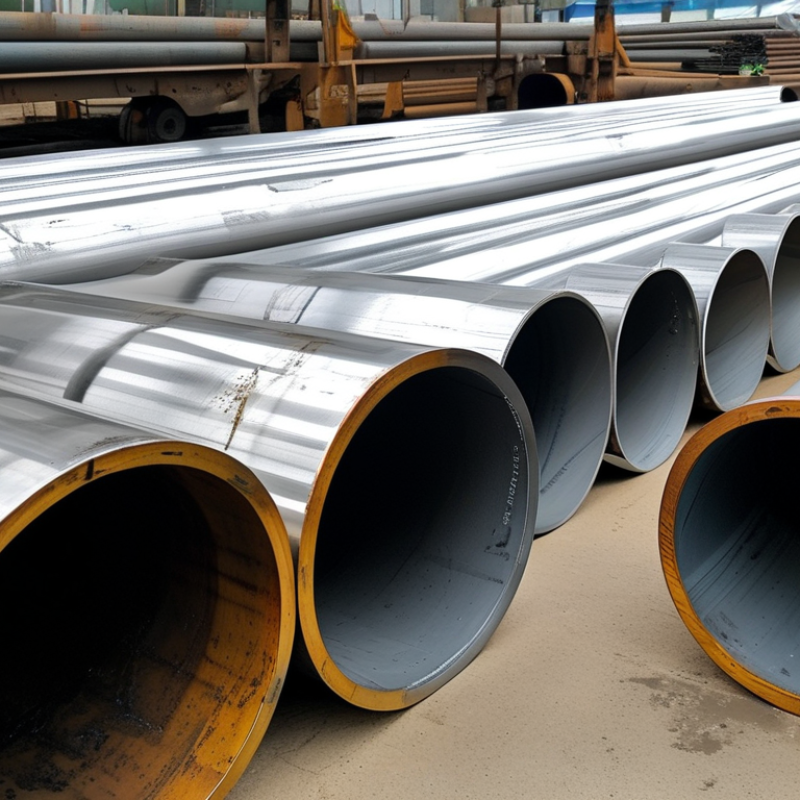
How to Choose the Best Stainless Steel Tube for Your Needs?

Types of Stainless Steel Tubes and Their Applications

When selecting stainless steel tubes, it's essential to understand the various types and their applications. Seamless tubes are popular for their strength and durability. They are ideal for high-pressure environments. Welded tubes, on the other hand, are generally used in lower-pressure situations. Their cost-effectiveness makes them appealing for many projects.

Another category is the duplex stainless steel tube. This type excels in corrosive environments. It's also known for its high strength-to-weight ratio. However, they might not be suitable for all applications. The choice between these types relies heavily on the specific needs of your project.

Additionally, consider the size and thickness of the tube. These factors significantly influence performance and fitting. You might face challenges during installation if the dimensions are not precise. Even minor errors can affect the overall integrity of a system. It's crucial to evaluate your requirements carefully before making a final decision.

Key Factors to Consider When Selecting Stainless Steel Tubes

Selecting the right stainless steel tube for your project is crucial. Several key factors influence this decision. First, the grade of stainless steel matters significantly. For instance, 304 and 316 grades are commonly used. They each possess unique corrosion resistance. According to the International Stainless Steel Forum, 304 is great for food and beverage applications. Conversely, 316 is ideal for chemical and marine environments.

Another factor is the tube's size and thickness. Accurate measurements should align with project specifications. Standard sizes often exist, but custom options are available. A study by the American Society for Testing and Materials indicates that differences in wall thickness can alter pressure ratings. Understanding these details can prevent mishaps during installation.

Consider the intended application carefully. Will the tube be exposed to harsh elements? Will it undergo high pressure? These questions shape material selection. Moreover, sourcing from reputable suppliers ensures quality. Even slight imperfections can lead to performance issues. Robust testing standards and certifications become essential in this context. Taking time to reflect on these elements can make a significant difference. The end goal is to achieve durability and reliability in your final product.

Understanding the Different Grades of Stainless Steel

When selecting stainless steel tubes, the grade matters significantly. Different grades serve various purposes and environments. Common grades include 304 and 316. Grade 304 offers excellent corrosion resistance. It’s perfect for many general applications. However, in coastal areas, grade 316 is a better choice. Its enhanced resistance to saltwater corrosion makes it ideal for marine applications.

Understanding these grades is crucial for your project. Each has unique properties. For example, grade 430, while economical, lacks the corrosion resistance of the first two grades. It may not be suitable for extreme conditions. Make sure to assess your specific needs. Consider factors like temperature, exposure to chemicals, and required strength. Selecting the wrong grade can lead to failures in structural integrity.

Take time to research the specific requirements of your application. Don’t hesitate to consult with professionals to get insights. A hasty decision could result in costly repairs or replacements. Being well-informed ensures you choose the right stainless steel tube for your needs. Reflecting on the long-term outcomes of your choice is essential.

Common Manufacturing Processes for Stainless Steel Tubes

When selecting stainless steel tubes, understanding manufacturing processes is crucial. Common methods include extrusion, welding, and seamless production. Each process creates distinct tube characteristics, affecting performance and application.

Extrusion involves forcing molten steel through a shaped die. It ensures uniformity and precision, suitable for longer tubes. However, the initial setup can be time-consuming. This method is typically used for complex designs and specific cross-sectional shapes.

Welding forms tubes by joining steel sheets. This allows for customization in size and length. However, welded joints may introduce weaknesses. Seamless tubes, produced by piercing solid billets, are often stronger and more resistant to pressure. They consist of one solid piece without seams, making them ideal for high-stress applications.

Tips for choosing the right manufacturing process focus on your specific needs. Consider factors like required strength and tube length. Think about the environment in which your tubes will be used. Corrosion resistance may be critical in harsh conditions. Always consult with experts to determine the best solution for your project.

Stainless Steel Tube Manufacturing Processes

Maintenance and Care Tips for Long-lasting Stainless Steel Tubes

Caring for stainless steel tubes is vital for longevity. Regular cleaning keeps them looking new. Use mild soap and water, then rinse thoroughly. For tough spots, a soft sponge works wonders. Avoid abrasive materials, as they can scratch the surface.

Inspect regularly for signs of corrosion or damage. Even small scratches can lead to bigger issues if not addressed. Early detection can save time and money. Apply a protective coating annually if possible. This creates an extra layer against environmental factors. When storing, keep tubes upright and avoid stacking.

Temperature changes can also affect stainless steel. Try to keep them in a stable environment. Humidity can lead to rust, even in stainless steel. If you notice any rust, immediately address it with appropriate cleaning methods. Remember, proper care is crucial for maintaining quality and functionality.

How to Choose the Best Stainless Steel Tube for Your Needs? - Maintenance and Care Tips for Long-lasting Stainless Steel Tubes

Parameter Details
Material Grade 304, 316, 409
Tube Diameter 1/2 inch, 1 inch, 2 inch
Wall Thickness 0.035 inch, 0.065 inch, 0.090 inch
Length Options 6 ft, 10 ft, 20 ft
Finish Type Polished, Brushed, Matte
Common Applications Hydraulic systems, Exhaust systems, Structural supports
Maintenance Tips Regular cleaning, Avoiding abrasive materials, Checking for corrosion

FAQS

: What grade of stainless steel should I choose for my project?

: The grade matters significantly. Common choices are 304 for food applications and 316 for chemical environments.

How do I determine the right size and thickness of the tube?

Accurate measurements are essential. Custom options exist if standard sizes do not fit your specifications.

Why is the intended application important in tube selection?

Understanding exposure to elements and pressure is critical in deciding the material and tube type required.

What are common manufacturing processes for stainless steel tubes?

Key methods include extrusion, welding, and seamless production. Each affects tube characteristics and performance.

How should I maintain stainless steel tubes?

Regular cleaning with mild soap and water is essential. A soft sponge works well to avoid scratches.

What should I look for when inspecting stainless steel tubes?

Regular checks for corrosion or damage are crucial. Early detection can prevent bigger, costlier issues.

How can I protect my stainless steel tubes from corrosion?

Applying a protective coating annually can help. Store them upright to avoid stacking and potential damage.

Why is sourcing from reputable suppliers important?

Quality assurance is key. Imperfections can lead to performance issues. Ensure robust testing standards are met.

Conclusion

When it comes to selecting the best stainless steel tube for your specific needs, it's essential to understand the various types and their applications. Stainless steel tubes are utilized in numerous industries, from construction to automotive, each requiring different specifications. Key factors to consider include the tube's diameter, wall thickness, and resistance to corrosion and wear. It is also important to familiarize yourself with the different grades of stainless steel, as each grade offers unique properties.

Moreover, common manufacturing processes such as welding and extrusion play a crucial role in the quality and durability of stainless steel tubes. To ensure longevity, regular maintenance and care are necessary. By keeping these considerations in mind, you can make an informed choice that meets your requirements for durability and functionality in your stainless steel tube applications.


Sophia

Sophia

Sophia is a dedicated marketing professional with an exceptional depth of knowledge about her company's products and services. With a keen understanding of market trends and customer needs, she crafts insightful blog posts that not only inform but also engage readers, enriching the company’s online......