When considering materials for your next project, 304L tubing stands out. This stainless steel option offers unique advantages in various applications. Known for its excellent corrosion resistance, 304L tubing is a preferred choice in industries such as food processing, pharmaceuticals, and chemical handling.
Its lower carbon content enhances weldability, making it easier to work with. This feature is crucial for projects requiring precise fabrication. Moreover, 304L tubing’s strength and durability ensure it withstands harsh environments. However, it's essential to note that while 304L is resilient, it may not be suitable for every situation. For instance, aggressive environments might call for alternative materials.
The choice of tubing impacts the project’s overall success. Evaluating the specific needs of your application is key. The benefits of 304L tubing are enticing, but a thoughtful approach is necessary to avoid potential pitfalls. Being informed will help in making the right decision for your next project.
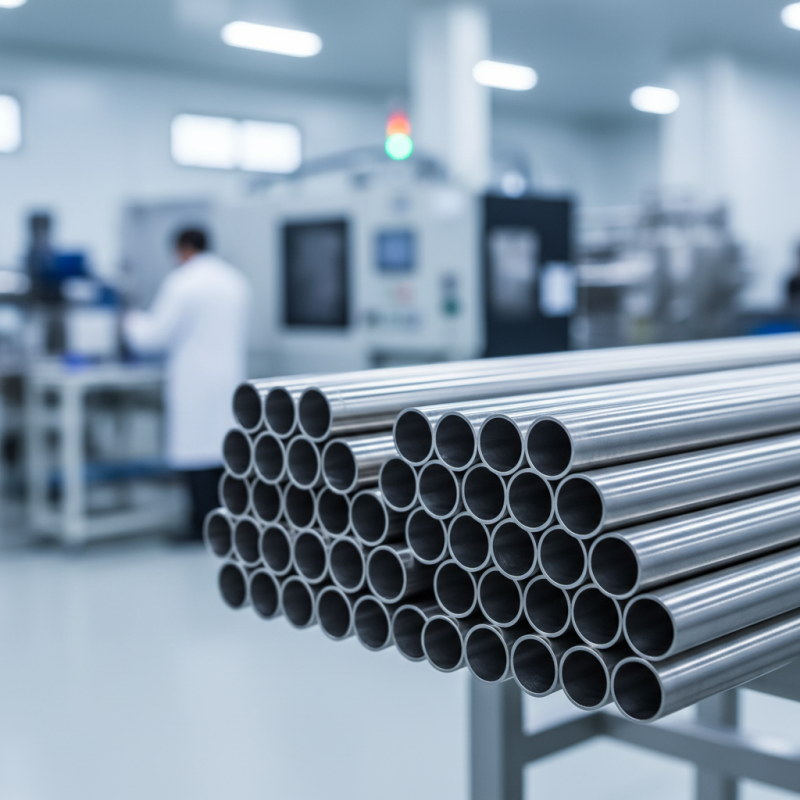
Advantages of 304L Tubing in Various Industries
304L tubing is widely recognized for its versatility across various industries. One of the key advantages is its excellent corrosion resistance. This makes it ideal for applications in chemical processing and marine environments. The low carbon content of 304L minimizes the risk of carbide precipitation during welding. This ensures better long-term durability in high-stress environments.
In addition to corrosion resistance, 304L tubing offers good formability. It is easy to machine and fabricate, making it a favorite among manufacturers. This characteristic allows for complex designs without compromising structural integrity. Industries like food processing and pharmaceuticals benefit greatly from these features. The smooth surfaces also support stringent hygiene standards, reducing the risk of contamination.
However, it’s essential to consider potential drawbacks. While 304L is strong, it may not perform as well in high-temperature environments compared to other alloys. This can lead to unexpected challenges in certain applications. Therefore, careful assessment of project requirements is crucial. Balancing benefits and limitations will lead to more informed decisions when selecting materials.
Comparison of 304L Tubing to Other Stainless Steel Grades
When comparing 304L tubing to other stainless steel grades, a few critical factors emerge. 304L is known for its excellent corrosion resistance. According to the American Iron and Steel Institute (AISI), 304L contains lower carbon content, which enhances its resistance to intergranular corrosion. This trait is particularly valuable in environments prone to corrosion. For projects involving high temperatures, 304L remains stable, performing well even under extreme conditions.
In contrast, grades like 316L offer enhanced resistance to chlorides, making them suitable for marine applications. However, 316L often comes at a higher cost. A report by the International Stainless Steel Forum (ISSF) shows that, while 316L has superior corrosion resistance in saltwater, 304L is often adequate for less demanding applications. Additionally, 304L tubing exhibits excellent weldability and formability, making it easier to work with and fabricate compared to other grades.
Deciding between these options can be challenging. It’s essential to evaluate the specific needs of your project. Understanding operating conditions and environmental factors is crucial. While 304L tubing can serve many applications effectively, unforeseen issues like stress corrosion cracking might arise in some scenarios. Therefore, it's vital to weigh all factors when selecting the appropriate stainless steel grade for your project.
Why Choose 304L Tubing for Your Next Project? - Comparison of 304L Tubing to Other Stainless Steel Grades
| Attribute |
304L Tubing |
304 Tubing |
316L Tubing |
321 Tubing |
| Corrosion Resistance |
Excellent |
Good |
Better than 304 |
Good |
| Weldability |
Excellent |
Excellent |
Good |
Good |
| Strength |
Medium |
Higher than 304L |
Higher |
Higher |
| Cost |
Moderate |
Moderate |
Higher |
Higher |
| Temperature Resistance |
Up to 870°C |
Up to 925°C |
Up to 925°C |
Up to 900°C |
Key Properties of 304L Tubing for Enhanced Performance
304L tubing stands out due to its impressive corrosion resistance. This property is crucial in industries like food processing, pharmaceuticals, and petrochemicals. Environments with moisture or acids can corrode other materials quickly. The low carbon content in 304L minimizes carbide precipitation during welding. This ensures integrity in welded structures, a key consideration for engineers.
Another vital aspect is the mechanical strength of 304L tubing. It performs well under high temperatures and pressures, making it suitable for various applications. Its strength is not only about handling forces. This tubing also withstands thermal shock effectively. In projects requiring durability, this is an essential feature.
However, using 304L tubing is not without challenges. Sometimes, its price may deter choice. There are also situations where other materials may suffice. Engineers need to weigh durability against budget constraints. Each project may demand different qualities. Choosing 304L tubing can lead to better long-term performance, but considerations must be made carefully.
Applications of 304L Tubing in Construction and Manufacturing
304L tubing is widely used in construction and manufacturing due to its excellent corrosion resistance. This stainless steel variant has lower carbon content, making it less susceptible to intergranular corrosion in high-temperature settings. In industries like petrochemical and food processing, 304L tubing ensures longevity and durability.
According to the Global Stainless Steel Tubing Market Report, demand for 304L tubing has increased by approximately 20% over the past five years. This growth is fueled by the construction sector's shift towards sustainable materials. Additionally, the versatility of 304L makes it ideal for various applications, including structural components and piping systems.
However, even with its advantages, it is essential to be mindful of the limitations of 304L tubing. Its lower strength compared to other stainless steel grades can be a concern in heavy-duty applications. In some cases, the requirements may exceed what 304L can offer. Proper evaluation of the project requirements is crucial to avoid underperformance in demanding scenarios.
Applications of 304L Tubing in Construction and Manufacturing
Cost-Effectiveness of Choosing 304L Tubing for Projects
When considering materials for a project, 304L tubing stands out for its cost-effectiveness. This stainless steel grade offers a unique combination of strength, corrosion resistance, and ductility. It is ideal for various applications, from chemical processing to construction. By investing in 304L tubing, you can save money while ensuring a long-lasting solution for your project needs.
Choosing 304L can reduce maintenance costs significantly. Its resistance to oxidation and overall durability means fewer replacements over time. This attribute makes it particularly appealing for projects that require materials with low life-cycle costs. However, always assess the specific needs of your application to avoid potential over-specification, which can lead to unnecessary expenses.
Tips for selecting 304L tubing include verifying the proper dimensions and thickness for your project requirements. Pay attention to your project's environmental conditions, as this can affect performance. Proper installation is crucial; poor fitting may lead to premature failure, negating cost benefits. Always consult a specialist before making a final decision to ensure you are getting the most value from your investment.
Conclusion
304L tubing is a popular choice across various industries due to its numerous advantages, such as excellent corrosion resistance and high strength, making it ideal for demanding environments. Compared to other stainless steel grades, 304L offers lower carbon content, which enhances its weldability and reduces the risk of carbide precipitation. This property is particularly beneficial in construction and manufacturing applications, where reliability and durability are crucial.
In addition to its superior performance characteristics, 304L tubing is also cost-effective, offering a balance between quality and price that can significantly benefit project budgets. Its versatility allows for a wide range of applications, from structural systems to fluid transport, ensuring that it meets the needs of both industrial and commercial projects efficiently. By choosing 304L tubing, engineers and manufacturers can achieve enhanced performance while keeping costs in check.

 Oes Steel