In the global market, the demand for high-quality 304L pipes is ever-increasing. As industries evolve, sourcing reliable suppliers becomes crucial. Dr. Lisa Williams, a leading expert in stainless steel manufacturing, emphasizes, "Selecting the right supplier for 304L pipes is vital for ensuring product integrity."
304L pipes are known for their excellent corrosion resistance and weldability. They play a significant role in various applications, from construction to manufacturing. However, not all suppliers meet the rigorous standards needed for these materials. Factors like material quality, delivery reliability, and pricing need careful consideration.
Finding the best 304L pipe supplier can be challenging. Many suppliers may over-promise and under-deliver. It's essential to seek experienced partners with a proven track record. Refining your criteria can lead to better procurement outcomes. In this competitive market, informed decisions will drive efficiency and success.
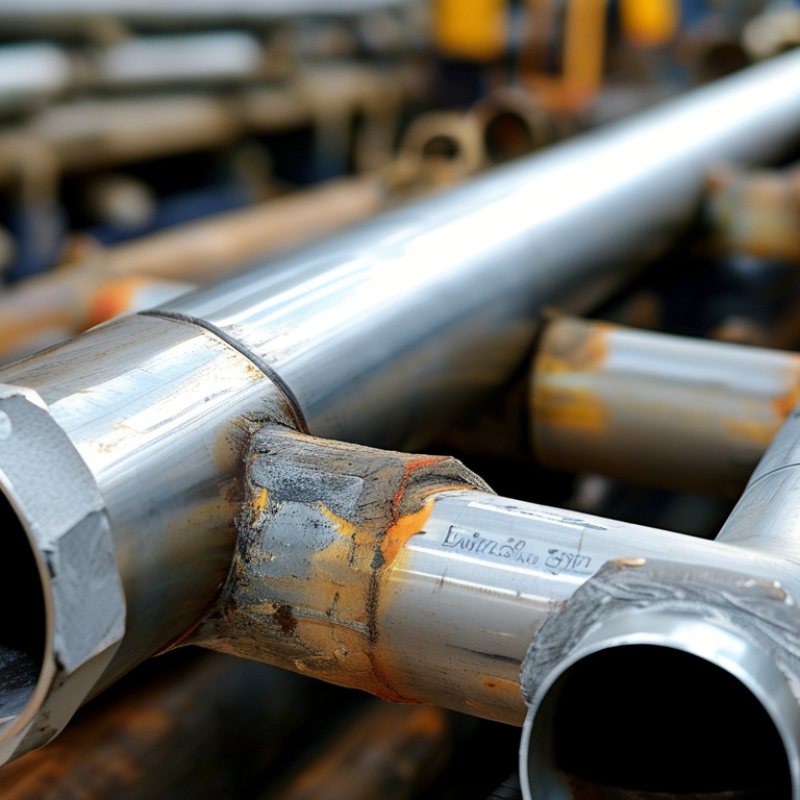
The 304L pipe, a low carbon version of the standard 304 stainless steel, exhibits remarkable corrosion resistance and good formability. It consists largely of chromium and nickel, making it versatile for various applications. According to the International Stainless Steel Forum, the elevated nickel content contributes to enhanced resistance against pitting and crevice corrosion. This property is vital for industries such as petrochemical and food processing, where exposure to aggressive environments can lead to equipment failure.
When it comes to global procurement, sourcing 304L pipes from reputable suppliers is crucial. The quality assurance in materials can significantly impact project outcomes. A report from the World Steel Association highlights that using high-quality stainless steel can extend the lifecycle of equipment by up to 20%. Quality standards are essential, particularly for critical applications where safety is paramount.
Tip: Always verify the certifications and testing reports of suppliers to ensure compliance with international standards.
Despite its advantages, 304L is not without limitations. Its lower carbon content can affect strength at high temperatures, making it unsuitable for certain high-stress applications. Understanding these properties helps in making informed decisions.
Tip: Never underestimate the importance of aligning the pipe specifications with the particular demands of your project. This ensures optimal performance and durability.
When sourcing 304L pipes globally, identifying reliable suppliers is crucial. A strong supplier should demonstrate expertise in stainless steel manufacturing, ensuring their products meet stringent quality standards. This type of pipe is commonly used in various industries, including construction, food processing, and oil and gas. The material's resistance to corrosion is a key reason for its popularity.
Many suppliers can meet the demands, but not all can provide consistent quality. It’s essential to research potential suppliers through industry certifications and customer reviews. Understanding the supplier's production processes can offer insight into their reliability. Images of their facilities and insights into their quality control measures can also be helpful.
Communication is vital during procurement. Suppliers should be transparent about lead times and pricing. Sometimes, unexpected delays arise, highlighting the importance of adaptability. Establishing a good relationship can lead to better terms and quicker responses in the future. Building trust takes time, but it is invaluable in ensuring a steady supply of high-quality 304L pipes.
When selecting a 304L pipe supplier, experience is crucial. Look for suppliers with a proven track record. They should have extensive knowledge of 304L stainless steel. This material is used in various industries. Its resistance to corrosion and high-temperature performance is key.
Consider the certifications of the supplier. They should comply with international standards. This ensures quality and reliability. A supplier with ISO certification, for instance, reflects their commitment to excellence. Also, check their production capabilities. Can they handle large orders? Flexibility in meeting changing demands is essential.
Customer reviews provide insight into a supplier’s performance. Engaging with previous clients can reveal strengths and weaknesses. It's important to weigh constructive feedback seriously. Additionally, assess their logistical capabilities. A swift and safe delivery process is vital for global procurement needs. Be mindful of these aspects. They can greatly impact your supply chain efficiency.
The global procurement of 304L pipes requires a strategic approach. According to the latest industry reports, the demand for stainless steel pipes is projected to grow at a compound annual growth rate (CAGR) of 5.0% through 2027. This data highlights the need for sourcing suppliers that can meet quality and delivery expectations globally.
Understanding market trends is essential for effective procurement strategies. Regional supply chain fluctuations and material costs can impact prices significantly. For instance, fluctuations in nickel prices directly affect 304L pipe production costs. Buyers must stay informed about these trends to negotiate better terms.
Challenges remain in ensuring quality and timely delivery. Many suppliers may promise high standards but fail to deliver reliable products. A detailed vetting process is key. This includes checking certifications, past performance, and quality control measures. Building relationships with reputable suppliers can lead to more stable procurement practices, even amid global uncertainties.
The supply of 304L pipes often faces numerous challenges. One key issue is the fluctuation in raw material prices. According to the International Stainless Steel Forum, nickel prices have been volatile, affecting production costs significantly. This can lead to unpredictable pricing for buyers. Manufacturers must adjust strategies to mitigate risks from these market shifts.
Logistical challenges also complicate 304L pipe procurement. Supply chains have faced disruptions, particularly after the COVID-19 pandemic. Many companies reported delays in shipments, leading to project hold-ups. A study by McKinsey highlighted that 75% of companies experienced supply chain obstacles, emphasizing the need for contingency planning. Developing stronger relationships with multiple suppliers might ease these challenges.
Moreover, quality assurance remains a concern. Ensuring product compliance with ASTM standards can be rigorous. Inconsistent quality can lead to increased rejection rates. According to recent quality assessment reports, nearly 10% of shipments fail to meet industry standards. Regular audits and quality checks can help maintain high standards.
: 304L pipe primarily consists of chromium and nickel. This composition provides excellent corrosion resistance.
Quality assurance significantly impacts project outcomes. Reliable suppliers ensure material standards are met.
304L pipes are commonly used in construction, food processing, and oil and gas industries.
Suppliers should be transparent about their production processes and quality control measures.
Fluctuations in nickel prices and regional supply chain issues can significantly affect costs.
The lower carbon content can reduce strength at high temperatures, making it unsuitable for some applications.
Check their industry certifications and customer reviews to assess reliability and quality.
It helps clarify lead times and pricing, ensuring smoother transactions and reducing unexpected delays.
Using high-quality stainless steel can extend equipment life by up to 20%.
Underestimating the alignment of pipe specifications with project demands can lead to performance issues.
The article "Best 304L Pipe Supplier for Global Procurement Needs?" delves into the essential aspects of 304L pipes, highlighting their key properties and benefits for various global applications. Understanding these properties is crucial for industries that rely on high corrosion resistance and low carbon content in their piping solutions.
Furthermore, the article emphasizes the importance of identifying key suppliers worldwide while outlining the criteria that should be considered when selecting the best 304L pipe supplier. It also explores global procurement strategies that can enhance efficiency in sourcing these pipes, along with the challenges commonly faced in the supply chain. The discussion on overcoming these challenges provides valuable insights for businesses aiming to ensure a steady and reliable supply of 304L pipes in their operations.

Oes Steel