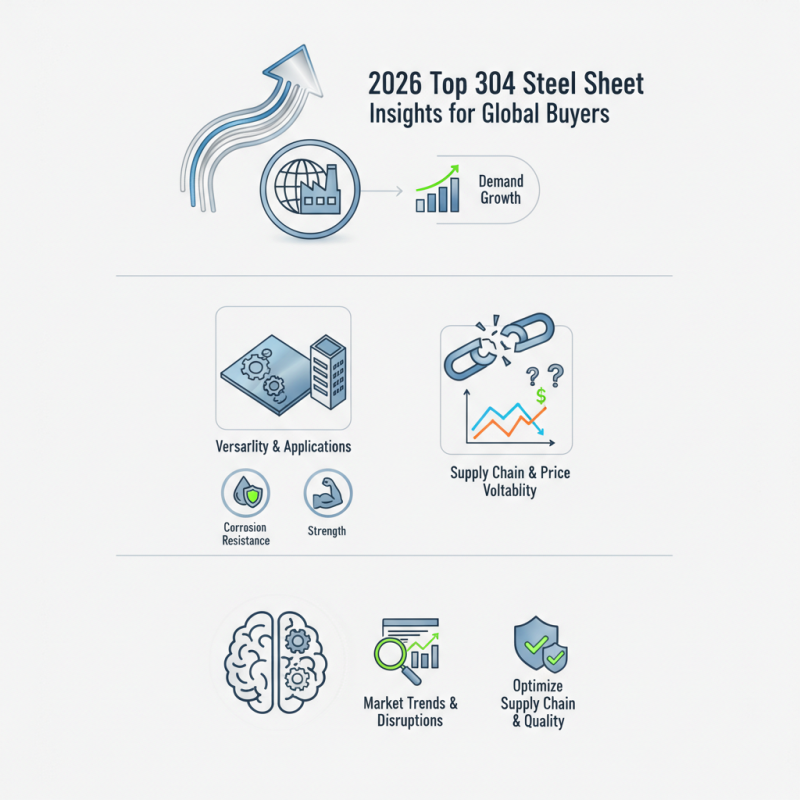
The demand for 304 Steel Sheet is experiencing significant growth globally. According to recent industry reports, the stainless steel market is projected to reach USD 150 billion by 2026. This surge is driven by 304 Steel Sheet’s versatility in various applications, from construction to automotive sectors.
In particular, the material’s excellent corrosion resistance and strength are making it a favored choice among manufacturers. However, the supply chain challenges and fluctuating raw material prices pose risks. Some reports indicate that the stainless steel industry's volatility could lead to inconsistent pricing for buyers.
While the prospects look bright, careful consideration is necessary for decision-making. Buyers must stay informed about market trends and potential disruptions. Understanding these insights about 304 Steel Sheet will be crucial in optimizing supply chain strategies and ensuring product quality.
304 steel sheet is a versatile material widely used in various industries. It is primarily made of iron, carbon, and chromium. The high chromium content gives it excellent corrosion resistance. This property is particularly beneficial in the food processing and chemical industries. Additionally, 304 steel is known for its strength, durability, and ease of fabrication.
Its applications range from kitchen appliances to medical equipment, showcasing its adaptability. For instance, in the food industry, it maintains hygiene and withstands harsh cleaning agents. However, it is not entirely impervious to corrosion; specific conditions can lead to pitting.
While 304 steel sheets offer numerous advantages, there are limitations. They can be more expensive compared to other materials, which may not suit all budgets. Furthermore, users must be aware of its limitations in high-temperature environments. It is crucial to assess the specific requirements of each project to determine if 304 steel sheets are the best choice. This evaluation can help in avoiding potential challenges later on.
In 2026, the global market for 304 steel sheets is expected to undergo significant changes. As industries focus on sustainability, demand for stainless steel products will grow. Innovation in manufacturing processes will lead to more efficient production methods. This shift could reduce costs and improve product availability. Buyers may see competitive pricing and higher quality offerings in their local markets.
Regional trends will shape the landscape for 304 steel sheets. In Asia, especially China and India, urban expansion drives demand. Meanwhile, European markets prioritize eco-friendly materials and manufacturing. Buyers must stay informed on evolving standards and regulations. Understanding local preferences is crucial for making informed purchasing decisions.
Buyers should note some uncertainties in the market. Fluctuations in raw material costs can lead to unpredictable prices. Supply chain disruptions remain a risk due to geopolitical factors. Adaptability will be key for buyers navigating these challenges. Recognizing these issues will foster a more resilient approach to sourcing steel sheets.
The global market for 304 steel sheets is rapidly evolving. Buyers must be aware of key manufacturers and suppliers. This awareness helps in making informed purchasing decisions. Focus on reliable sources that can provide quality products. Engaging with trusted suppliers ensures consistency in material quality.
Tips: Always request certifications from suppliers. This verifiable documentation acts as assurance of quality and adherence to industry standards.
Competition in the steel industry is fierce. Buyers should analyze supplier capabilities thoroughly. It helps to check reviews and past performance. Selecting a supplier isn't just about price. It's crucial to consider delivery times and customer support, too.
Tips: Establish relationships with multiple suppliers. Diversifying sources mitigates risks associated with supply chain disruptions.
The market landscape is dynamic. Trends can change rapidly, impacting availability and pricing. Being proactive is essential for global buyers. Staying updated on industry reports can provide valuable insights into emerging suppliers. It's important to recognize the need for flexibility in purchasing strategies.
The demand for 304 stainless steel sheets is influenced by several factors that shape pricing in the global market. Key elements include raw material costs, production expenses, and demand from end-user industries such as automotive, construction, and food processing. For instance, fluctuations in nickel prices can significantly impact steel sheet costs, as nickel is a crucial alloy in 304 steel production. According to a recent industry report, nickel prices have seen a 15% increase in the past year, reflecting tighter supply conditions.
As global economies recover from recent disruptions, the demand for 304 steel sheets is projected to grow. A study forecasts a compound annual growth rate of 5% over the next five years. This growth stems from increased infrastructure projects and enhanced consumer goods production. However, geopolitical tensions and trade policies may introduce uncertainties, affecting supply chains and prices.
Tip: Stay informed about market trends. Regularly check commodity price indices and trade agreements. Understanding these factors can help buyers make timely purchasing decisions.
Investing in real-time market analytics tools can provide valuable insights. Such tools help predict price fluctuations and anticipate demand shifts. While these resources offer substantial advantages, relying solely on them might not capture all market dynamics. Balancing quantitative data with qualitative insights is crucial for effective procurement strategies.
The growing demand for 304 steel sheet reflects global trends in construction and manufacturing. As industries seek stronger, more reliable materials, 304 stainless steel stands out. However, the production process raises important environmental concerns. From mining raw materials to energy consumption, every step impacts our planet.
Minimizing carbon footprint is becoming essential. Manufacturers are adopting innovative practices to enhance sustainability. They focus on using recycled materials, reducing waste, and improving energy efficiency. While these efforts are commendable, the journey is far from perfect. Some producers still rely on outdated methods, creating environmental challenges.
Water usage and chemical waste during production remain critical issues. Striking a balance between efficiency and sustainability can be challenging. Many companies are beginning to realize the importance of transparency in their production processes. Buyers are increasingly aware of the environmental implications of their purchasing decisions. This awareness drives change, but the industry still has a long way to go to ensure comprehensive sustainable practices.
This chart illustrates the sustainability metrics and environmental considerations in the production of 304 stainless steel. The data represent key factors influencing global buyers' decisions in adopting sustainable practices in steel production.
: It consists mainly of iron, carbon, and chromium.
It offers excellent corrosion resistance, strength, and durability.
It is widely used in food processing, medical equipment, and kitchen appliances.
Yes, they can be expensive and have limitations in high-temperature environments.
Request certifications and check reviews of potential suppliers.
Mining, energy consumption, and chemical waste are critical issues in its production.
By using recycled materials and focusing on waste reduction and energy efficiency.
Market trends can change rapidly, impacting pricing and availability.
Establish relationships with multiple suppliers for diversified sources.
Increasing awareness of environmental implications influences buyer choices.
The article titled "2026 Top 304 Steel Sheet Insights for Global Buyers" provides a comprehensive overview of 304 Steel Sheets, highlighting their properties and various applications. It discusses the global market trends projected for 2026, emphasizing the growing demand for this versatile material in sectors such as construction and manufacturing. The article also identifies key manufacturers and suppliers of 304 Steel Sheets worldwide, showcasing the competitive landscape.
Additionally, the analysis delves into the factors influencing pricing and demand, including economic conditions and raw material availability. Sustainability is also a crucial focus, with an exploration of environmental considerations in the production of 304 Steel Sheets, reflecting the industry's shift towards more eco-friendly practices. Overall, the piece serves as a valuable resource for potential global buyers seeking insights into the 304 Steel Sheet market.

Oes Steel